

Packaging plays a critical role in how a brand is perceived, especially in competitive and premium markets. As brands seek differentiation, sustainability, and stronger shelf impact, paper tube packaging has emerged as an alternative to traditional box packaging. Understanding the differences between paper tube packaging and traditional boxes helps brands make informed decisions that align with product positioning, customer expectations, and long-term branding strategies.
Paper tube packaging is characterized by its cylindrical structure, which immediately sets it apart from conventional square or rectangular boxes. The tube body is typically constructed from multiple layers of tightly wound paperboard, creating a rigid and durable form that resists deformation. This structural integrity provides strong protection for products while offering a smooth and refined exterior surface. Traditional boxes, including folding cartons and rigid boxes, rely on flat panels and corner joints, which provide flexibility in shape but often result in more familiar and less distinctive packaging silhouettes.
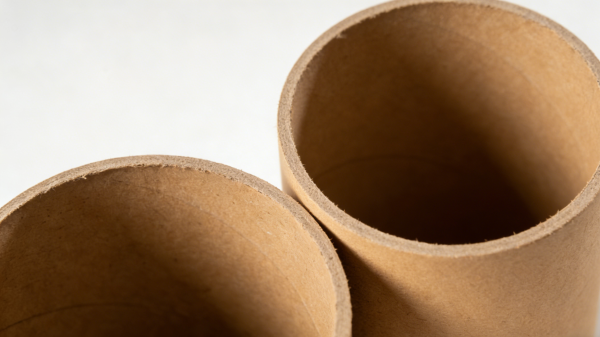
From a visual and branding perspective, paper tube packaging offers strong differentiation. The cylindrical form naturally draws attention on retail shelves, making products stand out without relying solely on graphics. Paper tubes also support a wide range of printing and finishing techniques, including offset printing, foil stamping, embossing, debossing, and spot UV coating. These techniques allow brands to achieve a premium look while maintaining a minimalist and modern aesthetic. Traditional boxes offer similar printing options, especially rigid boxes, but their rectangular shape is widely used across industries, which can make it more challenging to stand out in crowded markets.

Sustainability is a major factor influencing packaging decisions, and paper tube packaging often holds a clear advantage. Made primarily from paper-based materials, paper tubes are recyclable, biodegradable, and compatible with eco-friendly production practices. Many paper tube designs minimize the use of plastics and mixed materials, making them easier to recycle compared to some traditional boxes that incorporate magnets, plastic windows, or laminated layers. While traditional boxes can also be produced using sustainable materials, paper tube packaging naturally aligns with environmentally responsible branding and appeals to eco-conscious consumers.
Functionality and user experience further distinguish these two packaging options. Paper tube packaging offers a smooth and intuitive opening experience, often using telescopic or plug-in lid designs. The cylindrical structure feels solid and intentional, reinforcing a sense of quality during unboxing. Paper tubes are also commonly reused by consumers for storage, extending brand exposure beyond the initial purchase. Traditional boxes vary widely in functionality, from simple folding cartons to complex rigid box structures with magnetic closures. While these boxes can deliver a premium experience, they may not offer the same level of reusability or novelty as paper tube packaging.
Cost considerations depend largely on design complexity, materials, and production volume. Paper tube packaging may involve higher tooling or setup costs for customized sizes and structures, but it can reduce material waste due to its efficient construction. Traditional boxes often provide more flexibility in scaling production and may be more cost-effective for very large quantities or standardized designs. The choice between paper tube packaging and traditional boxes should therefore be based on overall brand goals rather than unit cost alone.

Different product categories benefit from different packaging solutions. Paper tube packaging is widely used for premium cosmetics, candles, specialty food items, tea, coffee, and luxury gifts, where sustainability and visual impact are key selling points. Traditional boxes remain popular for electronics, apparel, and products that require complex internal inserts or flat stacking for logistics. Both packaging formats offer strong protection and branding potential when designed thoughtfully.
Choosing between paper tube packaging and traditional boxes ultimately depends on brand positioning, target audience, and product requirements. Paper tube packaging offers uniqueness, sustainability, and a premium unboxing experience, while traditional boxes provide structural versatility and familiarity. By aligning packaging design with brand values and market expectations, packaging becomes more than a container—it becomes a strategic branding asset.