

Choosing the right size and diameter for custom paper tubes is a critical step in creating effective and professional packaging. The dimensions of paper tube packaging directly affect product protection, visual presentation, production efficiency, and overall brand perception. A well-sized paper tube enhances usability and aesthetics, while an incorrect size can lead to wasted materials, increased costs, or poor user experience.
The first factor to consider when selecting the size of custom paper tubes is the product itself. Accurate product measurements, including height, width, and any irregular shapes, are essential. The paper tube diameter should allow the product to fit comfortably without excessive movement, while the tube height should provide enough clearance for easy insertion and removal. For products such as cosmetics, candles, or bottles, a snug fit helps prevent shifting during transportation and reinforces a premium feel. In contrast, oversized tubes may require additional inserts, increasing complexity and cost.

Product protection requirements also influence size and diameter decisions. Fragile or high-value items often benefit from thicker tube walls and slightly larger internal diameters to accommodate protective inserts. Paperboard inserts, molded pulp trays, or foam padding can be added to stabilize products and absorb impact. Selecting the correct diameter ensures these inserts fit properly without compressing the product or leaving space that reduces stability.
Visual balance and branding play an important role in determining paper tube dimensions. The proportion between height and diameter affects how the packaging is perceived on shelves and in digital displays. Tall, slim paper tubes often convey elegance and sophistication, making them popular for premium cosmetics and wellness products. Shorter, wider tubes create a solid appearance, which works well for food items, candles, and gift packaging. Proper proportions also provide sufficient surface area for logos, graphics, and regulatory information without overcrowding the design.
Manufacturing efficiency is another key consideration when choosing custom paper tube sizes. Standardized diameters and heights often result in lower tooling costs and faster production times. While fully customized dimensions offer greater flexibility, they may increase lead times and setup expenses. Balancing customization with production practicality helps optimize both cost and delivery schedules. Consulting manufacturing guidelines early in the design process can prevent dimensional issues and reduce revisions.
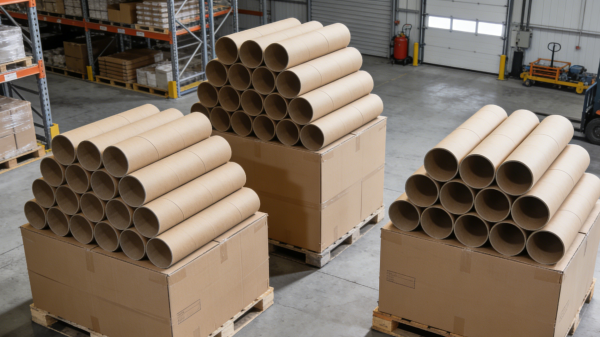
Shipping and storage logistics should also be evaluated when determining paper tube dimensions. Paper tubes that stack efficiently reduce transportation costs and warehouse space requirements. Oversized or irregular dimensions may increase shipping expenses and complicate palletization. Selecting a diameter and height that align with standard shipping cartons can improve supply chain efficiency and reduce environmental impact.
User experience is an often-overlooked factor in size selection. The opening and closing motion of paper tube packaging should feel smooth and intentional. Tubes that are too tight may frustrate users, while loose-fitting lids can feel cheap or insecure. The right size ensures a balanced friction fit or telescopic closure that enhances the unboxing experience and reinforces quality.
Different industries require different sizing strategies for custom paper tubes. In cosmetics and skincare, precise diameters help present products neatly and professionally. In food packaging, internal volume and freshness protection are key considerations. Gift and promotional packaging often prioritizes visual impact and reusability, influencing both height and diameter choices. Understanding the end-use environment helps determine the most effective dimensions for each application.
Selecting the right size and diameter for custom paper tubes is a strategic decision that affects performance, branding, and cost efficiency. By carefully considering product dimensions, protection needs, branding goals, and logistical requirements, custom paper tube packaging can deliver both functional reliability and strong visual appeal. Well-designed dimensions transform paper tube packaging into a valuable extension of the brand rather than a simple container.