

Paper tube packaging has become an increasingly popular solution across industries such as cosmetics, food, personal care, gifts, and premium consumer goods. Beyond its eco-friendly reputation, one of the biggest advantages of paper tube packaging lies in its structural diversity. Different paper tube structures offer varying levels of protection, usability, branding impact, and consumer experience. Understanding these structural differences is essential for brands seeking both functional and visual excellence in custom packaging.
One of the most widely used structures is the straight-edge paper tube, characterized by clean-cut edges on both the top and bottom. This structure delivers a minimal, modern appearance and is ideal for brands that prefer simplicity and cost efficiency. Straight-edge tubes are commonly used for tea, supplements, powders, and lightweight cosmetic products. While the structure is simple, it allows extensive customization through printing techniques, surface finishes, and material thickness adjustments. The uniform edge design also supports efficient mass production, making it suitable for large-volume wholesale orders.

Another popular structure is the rolled-edge paper tube, which features inward or outward curled edges along the opening. This rolled-edge design significantly enhances durability and improves the tactile experience when opening or closing the package. Compared to straight-edge tubes, rolled-edge structures offer better resistance to deformation and create a more refined, premium look. This structure is often chosen for high-end cosmetics, candles, luxury food items, and gift packaging, where perceived quality plays a major role in purchasing decisions. The smooth, rounded rim also enhances safety and comfort, especially for products frequently handled by consumers.
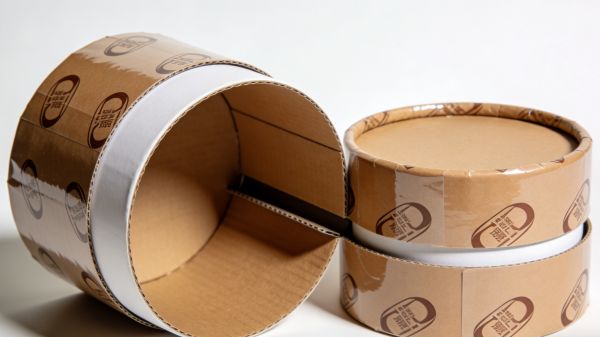
The telescopic paper tube, also known as a two-piece paper tube, consists of a separate lid and base that slide together vertically. This structure provides a classic unboxing experience and offers excellent branding opportunities, as both the lid and base can be independently customized. Telescopic paper tubes are commonly used for premium products such as perfumes, skincare sets, collectible items, and limited-edition packaging. The adjustable overlap between the lid and base allows brands to fine-tune the opening resistance, balancing security with ease of use. This structure also supports thicker paperboard walls for enhanced product protection.
A more display-oriented option is the paper tube with a transparent window. By integrating a clear PET or PVC window into the tube body or lid, this structure allows consumers to view the product directly without opening the package. This visual transparency builds trust and is particularly effective for food products, cosmetics, and novelty items where appearance influences purchasing decisions. The window placement and shape can be customized to match brand aesthetics while maintaining structural integrity. When combined with high-quality printing and surface finishes, window paper tubes successfully merge functionality with shelf appeal.

For products requiring additional protection or precise positioning, paper tubes with internal inserts are an ideal structural solution. Inserts can be made from cardboard, molded pulp, EVA foam, or paperboard partitions, depending on product weight and fragility. This structure ensures the product remains centered, protected from impact, and visually presented upon opening. Paper tubes with liners are often used for packaging glass containers, essential oils, high-quality candles, and electronic accessories. Structurally, the insert becomes an extension of the tube, enhancing both safety and perceived value.
In recent years, child-resistant and specialty closure paper tubes have gained attention in regulated industries such as pharmaceuticals and wellness products. These structures incorporate push-and-turn mechanisms or hidden locking features while maintaining an eco-conscious paper-based design. Although more complex to manufacture, these structures demonstrate how paper tube packaging can adapt to safety requirements without sacrificing branding or sustainability goals.
Overall, selecting the right paper tube packaging structure depends on multiple factors, including product type, target market, branding strategy, and distribution requirements. Structural design directly influences consumer perception, usability, and protection performance. By understanding the characteristics and advantages of each paper tube structure, brands can make informed decisions that align packaging functionality with visual identity and long-term sustainability objectives.