

Paper tube packaging is widely recognized for its eco-friendly construction, strong structural performance, and versatile customization options. When additional product protection or presentation control is required, inserts become a critical component of paper tube packaging. Paper tube packaging with inserts is commonly used for fragile, premium, or high-value products where stability, safety, and visual impact are essential. Understanding insert materials, functional roles, and overall benefits helps brands optimize packaging performance and customer experience.
Inserts are internal structures designed to hold products securely inside the paper tube. They prevent movement during transportation, reduce impact damage, and ensure the product remains centered and visually appealing when the package is opened. Depending on product characteristics and application requirements, inserts can be manufactured from various materials, each offering distinct advantages in protection, sustainability, and cost efficiency.
Paperboard inserts are one of the most commonly used options in paper tube packaging. Made from layered or die-cut cardboard, these inserts provide reliable structural support while remaining fully recyclable. Paperboard inserts are suitable for cosmetics, candles, food jars, and personal care products. Their rigidity helps absorb shock and prevents products from shifting, while their material compatibility aligns with eco-conscious packaging strategies.
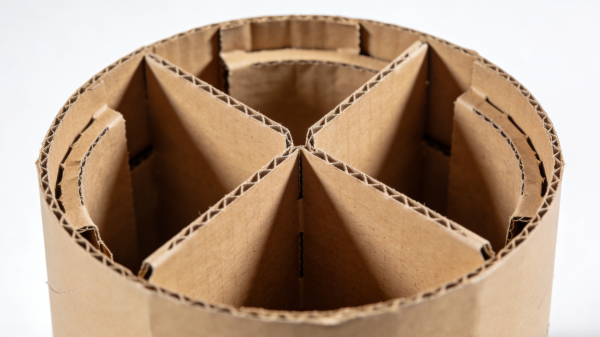
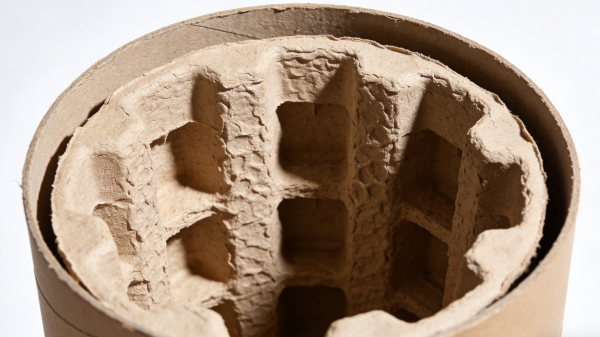
Molded pulp inserts are another sustainable choice, particularly for brands emphasizing environmental responsibility. Produced from recycled paper fibers, molded pulp inserts offer excellent cushioning and are ideal for protecting glass bottles, essential oils, and delicate items. Their form-fitting design allows products to sit snugly inside the paper tube, reducing the need for additional protective materials. Molded pulp inserts also reinforce a brand’s commitment to biodegradable and plastic-free packaging solutions.
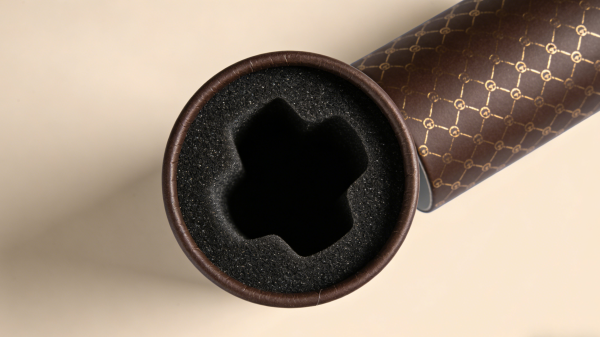
For products requiring enhanced protection or a luxury presentation, EVA foam inserts are often selected. EVA foam provides superior shock absorption and precise positioning, making it suitable for fragile, high-value items such as premium cosmetics, electronics accessories, or collectible products. Foam inserts can be custom-cut to match product shapes exactly, ensuring maximum stability. While EVA foam is not paper-based, it is frequently chosen when performance and presentation take priority over material uniformity.
In addition to material selection, inserts play a key functional role in improving user experience. A well-designed insert guides the product’s placement, creating a controlled and visually appealing reveal during unboxing. This enhances perceived value and reinforces brand professionalism. Inserts also allow paper tubes to accommodate irregularly shaped products that would otherwise be difficult to secure inside a cylindrical package.
From a logistical standpoint, paper tube packaging with inserts reduces product damage during shipping and handling. Stabilized products experience fewer impacts, lower return rates, and improved customer satisfaction. Inserts also help maintain packaging integrity during stacking and long-distance transportation, particularly for thicker paper tube structures used in premium or export packaging.
Branding benefits should not be overlooked. Inserts can be printed, color-matched, or designed to complement the exterior packaging, creating a cohesive visual identity. By combining strong paper tube construction with a well-engineered insert, brands achieve both functional protection and elevated presentation without relying on excessive external packaging.
Overall, paper tube packaging with inserts offers a comprehensive solution for brands seeking enhanced protection, controlled presentation, and premium unboxing experiences. By selecting the right insert material and design, paper tube packaging becomes adaptable to a wide range of products while supporting sustainability, durability, and brand value.