

Paper tube packaging has become an increasingly popular solution for brands seeking a balance between sustainability, durability, and premium presentation. Among the various design options available, the choice between flat-edge and rolled-edge paper tubes plays a crucial role in both functionality and visual appeal. Understanding the structural differences between these two types can help businesses select the most suitable packaging for their products.
Clean, straight-cut edges at both ends characterize flat-edge paper tubes. This design offers a minimalist and modern appearance, making it a preferred option for brands that value simplicity and cost efficiency. The manufacturing process for flat-edge tubes is relatively straightforward, which results in lower production costs and shorter lead times. These tubes are often used for products that do not require heavy-duty protection, such as posters, lightweight cosmetics, or dry goods. Despite their simple construction, flat-edge tubes can still provide adequate protection when paired with proper internal supports such as paper inserts or basic cushioning materials.
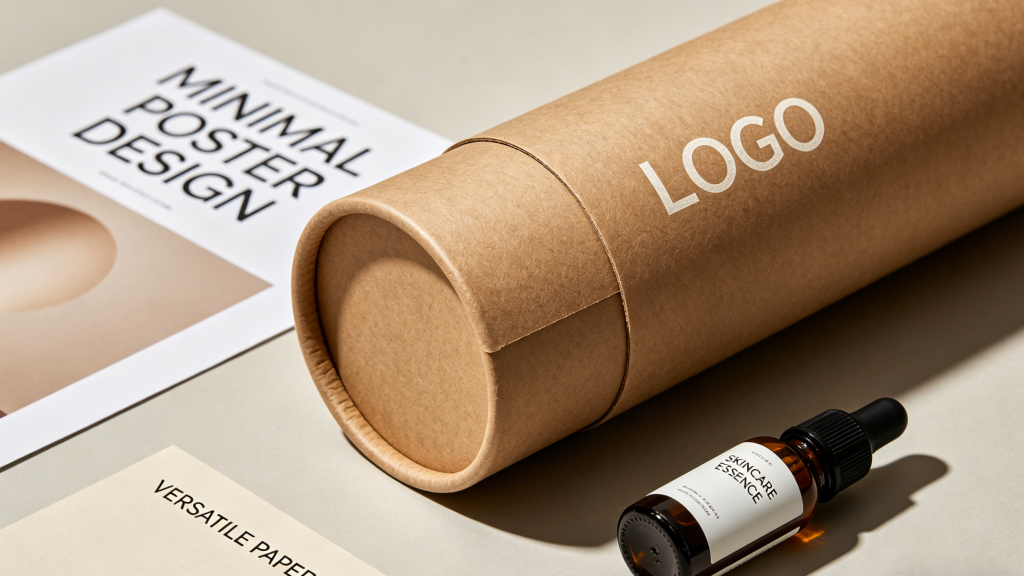
In contrast, rolled-edge paper tubes feature edges that are curled inward or outward to create a smooth, rounded finish. This structural enhancement not only improves the visual quality of the packaging but also significantly increases its strength. The rolling process reinforces the tube openings, making them more resistant to deformation during handling and transportation. As a result, rolled-edge tubes are commonly used for premium products, including luxury cosmetics, candles, and high-end gift items. The rounded edges also enhance the unboxing experience by providing a softer, more refined tactile feel, which can positively influence customer perception.

From a durability standpoint, rolled-edge paper tubes offer superior performance. The reinforced rims act as protective barriers against impact and compression, reducing the likelihood of damage to the contents inside. This makes them particularly suitable for fragile or high-value products that require extra protection. Flat-edge tubes, while structurally sound, may be more susceptible to edge wear or slight deformation under pressure, especially during long-distance shipping. Therefore, when product safety is a primary concern, rolled-edge designs often provide a more reliable solution.
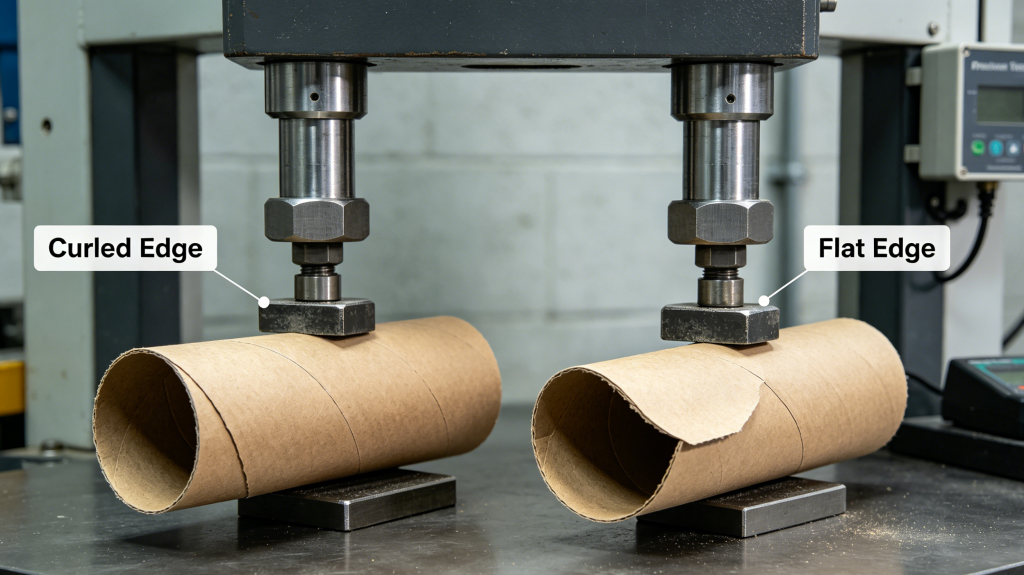
Aesthetic considerations also play an important role in choosing between these two options. Flat-edge tubes deliver a clean and understated look that aligns well with minimalist branding strategies. They are ideal for brands that prefer a simple yet professional presentation. On the other hand, rolled-edge tubes convey a sense of craftsmanship and luxury. The smooth curves and refined finish elevate the overall packaging design, making it more appealing for retail display and gift packaging. The choice ultimately depends on the brand’s positioning and the desired customer experience.
Customization flexibility is another factor to consider. Both flat-edge and rolled-edge paper tubes can be fully customized in terms of size, printing, materials, and finishing techniques. However, rolled-edge tubes often allow for more advanced design features, such as thicker walls, enhanced laminations, and decorative inner linings. These options contribute to a more premium look and feel, but they also increase production complexity and cost. Flat-edge tubes, with their simpler structure, are easier to produce in large quantities and are more budget-friendly for bulk orders.
Sustainability is an important consideration for modern packaging solutions. Both types of paper tubes can be made from recyclable and biodegradable materials, aligning with eco-friendly packaging trends. However, the additional processing required for rolled edges may slightly increase material usage and energy consumption. Brands aiming for maximum environmental efficiency may prefer flat edge designs, while those prioritizing premium quality may accept the trade-off for enhanced aesthetics and durability.
In conclusion, the decision between flat-edge and rolled-edge paper tubes depends on multiple factors, including product type, budget, branding goals, and protection requirements. Flat-edge tubes are ideal for cost-effective, minimalist packaging solutions, while rolled-edge tubes provide enhanced durability and a more luxurious presentation. By carefully evaluating these aspects, businesses can choose the most appropriate paper tube design to meet their packaging needs and deliver a better overall product experience.