

The luxury packaging landscape is undergoing a profound transformation, and the signals are everywhere. For decades, the language of luxury was spoken in heavy glass, polished metals, and dense plastics—materials that conveyed permanence and prestige through their very weight. Today, a new contender has entered the conversation, and it is reshaping the vocabulary of premium presentation. Paper tube packaging, once associated primarily with industrial applications or humble mailing containers, has emerged as one of the most compelling solutions for luxury brands seeking to balance elegance with responsibility. The shift is not a fleeting trend but a structural realignment driven by changing consumer values, regulatory pressures, and remarkable material innovation.
The scale of this transformation is best understood through the numbers. The global luxury packaging market has grown from 14.58 billion dollars in 2025 to 15.42 billion dollars in 2026, expanding at a compound annual growth rate of 5.7 percent, and is projected to reach 19.47 billion dollars by 2030. Within this expanding market, paper-based solutions are claiming an increasingly significant share. According to Bain and Company’s Paper and Packaging Report 2026, half of the companies surveyed across the luxury packaging value chain believe that sustainable products will account for more than 30 percent of luxury packaging sales over the next three years. Perhaps most tellingly, when asked to identify the most promising material innovation for packaging, 49 percent of industry respondents cited advanced paper—treated or reinforced with greater resistance to humidity—ahead of compostable materials, reusable packaging, and bioplastics. This is no longer a niche consideration; paper has become central to the luxury packaging dialogue.
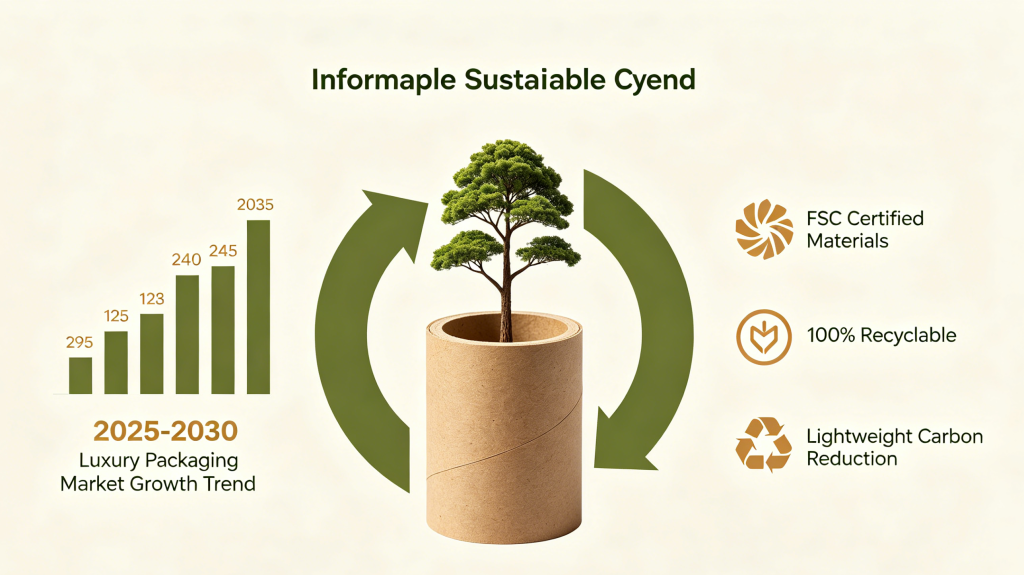
The environmental argument for paper tube packaging is compelling, but the nature of the conversation has evolved. It is no longer sufficient to simply claim that a material is recyclable; brands and consumers alike are demanding verifiable sustainability credentials throughout the supply chain. Paper-based tubes offer a rare alignment of attributes: they are manufactured from renewable resources, can be produced with FSC-certified fibers from responsibly managed forests, and are fully recyclable within standard waste streams. The luxury sector’s embrace of paper is, in part, a response to regulatory momentum. The European Union’s Packaging and Packaging Waste Regulation, which introduces eco-modulated fees—meaning producers whose packaging is harder to recycle will pay more—is accelerating the transition toward materials that integrate seamlessly into existing recycling infrastructure. Forward-thinking brands are not waiting for compliance deadlines; they are proactively redesigning their packaging portfolios to align with forthcoming requirements before they become mandates.
Beyond regulation, the sensory dimensions of luxury packaging matter enormously, and it is here that paper tubes truly distinguish themselves. Research conducted by James Cropper reveals that 65 percent of consumers now believe packaging extends a product’s premium value, compared with just 15 percent ten years ago. This represents a fundamental shift in consumer psychology: packaging is no longer a disposable wrapper but an integral component of the luxury experience itself. The unboxing ritual—the sliding open of a perfectly fitted tube, the reveal of a product nestled within a precision-cut interior—has become a moment of brand theater, one that consumers increasingly document and share across social media platforms. Paper tube packaging serves this ritual with particular grace. The cylindrical form factor creates a natural sense of anticipation, and the structural integrity of a well-constructed tube produces a satisfying tactile experience that rivals any traditional rigid box. What distinguishes paper tubes in this context is the breadth of customization possibilities. Embossing creates a luxurious, tactile texture that makes packaging feel substantial and exclusive. Foil stamping adds layers of visual depth, catching light and drawing the eye across retail shelves. The option of printing on both the interior and exterior surfaces of a tube introduces an element of surprise and discovery that enhances the unboxing moment. These finishes do more than decorate; they transform the packaging from a protective shell into a brand ambassador that speaks directly to consumer expectations of quality and craftsmanship.
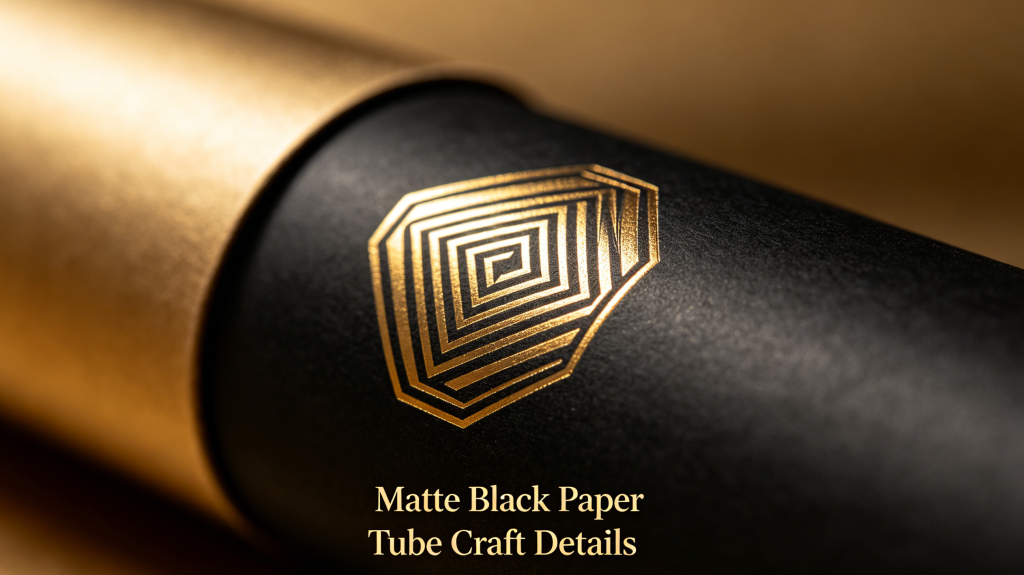
Luxury is fundamentally about storytelling, and packaging serves as the physical medium through which brand narratives are transmitted. Paper tube packaging offers luxury brands a canvas that is uniquely suited to communicating values of authenticity, craftsmanship, and environmental stewardship. The natural texture of kraft paper or premium art paper conveys a sense of artisanal integrity that synthetic materials cannot replicate. When a consumer holds a paper tube with a soft-touch matte finish or a delicately embossed logo, they are engaging with the brand on a tactile level that goes beyond visual aesthetics. Several prominent luxury houses have already recognized this potential and are actively integrating paper-based solutions into their packaging strategies. L’Oréal has invested heavily in paper-based tubes and bottles, developing the first cosmetic tube integrating certified paper-based material to gradually replace virgin plastics. In the premium spirits sector, Absolut Vodka has pioneered an industry-first combination of a paper-based bottle and cap, with the cap made from over 95 percent FSC-certified fibers, moving closer to the brand’s vision of a fully bio-based packaging solution. Guerlain, the French luxury skincare house, partnered with Knoll Packaging to develop refillable jars made of molded paper pulp for its prestige anti-aging cream line, creating a solution that meets the high technical requirements of primary skincare packaging while being fully recyclable. In the spirits industry, Diageo has trialed paper-based bottles for Johnnie Walker and Baileys, with the 90 percent paper bottle proving 60 percent lighter than a conventional glass bottle and capable of reducing carbon emissions by 47 percent. These are not fringe experiments; they represent a clear signal from some of the world’s most valuable luxury brand portfolios that paper packaging is becoming a strategic priority.
The rapid adoption of paper tube packaging by luxury brands would not be possible without significant advances in material science and manufacturing technology. Today’s paper tubes bear little resemblance to their industrial predecessors. Advanced barrier coatings now provide moisture resistance, grease protection, and oxygen barriers that were once achievable only with plastic or aluminum laminates. Precision manufacturing allows for tight tolerances, smooth closures, and consistent color reproduction across production runs. The result is a packaging format that performs at the level luxury brands demand while maintaining environmental integrity. The supply chain advantages of paper tube packaging are equally significant. Lightweighting—reducing packaging mass without sacrificing structural integrity—has become a critical priority for luxury brands seeking to reduce both costs and carbon emissions. Bain’s research indicates that 43 percent of industry respondents identify reducing volume and weight to optimize transport efficiency as the most significant aspect of packaging for improving supply chain sustainability. Paper tubes, which are inherently lighter than glass or rigid multi-material boxes, deliver measurable benefits in shipping efficiency and associated emissions reductions.
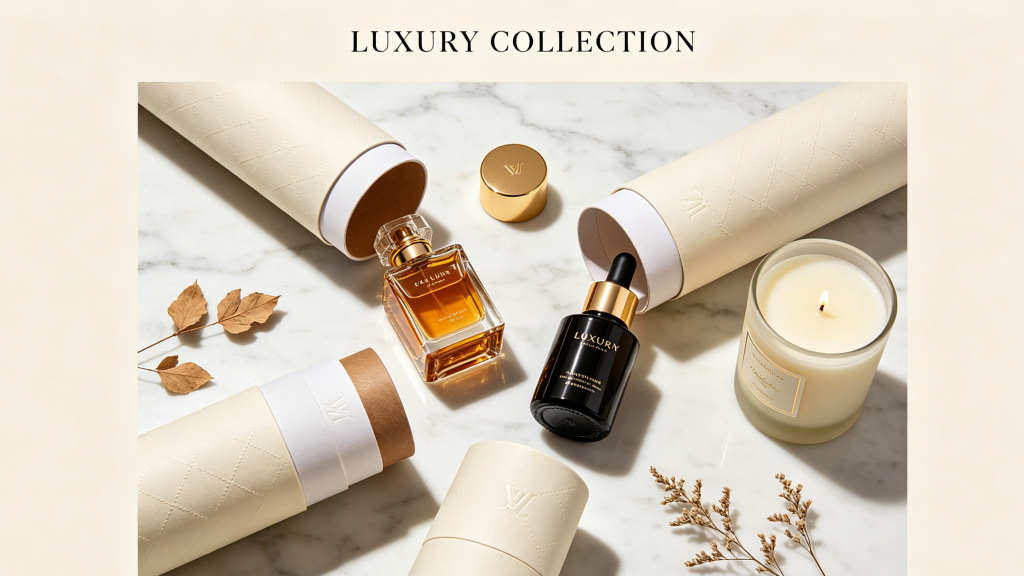
The convergence of consumer demand, regulatory pressure, and material innovation suggests that paper tube packaging will continue to gain prominence within the luxury sector. Bain and Company’s analysis affirms that sustainability in luxury packaging has transitioned from a perceived risk to an accepted trend that has given way to opportunity. For luxury brands, the question is no longer whether to adopt sustainable packaging solutions, but how to do so in a way that enhances—rather than compromises—the premium experience their customers expect. Paper tube packaging answers this question with a rare combination of environmental responsibility, design flexibility, and tactile elegance. As the luxury packaging market continues its trajectory toward 19.47 billion dollars by 2030, paper tubes seem poised to play an increasingly central role in defining what luxury packaging means in an era that demands both beauty and accountability.