

Paper tube packaging has become increasingly popular in modern retail environments because of its unique appearance, eco-friendly structure, and premium branding potential. Unlike traditional square or rectangular packaging, cylindrical paper tubes naturally stand out on crowded retail shelves and create a more memorable visual experience for customers. From cosmetics and candles to food, apparel, and gift products, businesses across many industries are adopting custom paper tube packaging to improve shelf impact and strengthen brand recognition. However, creating eye-catching paper tube packaging requires more than attractive colors or logos. Successful retail packaging combines structural creativity, branding consistency, material quality, and consumer psychology to attract attention and influence purchasing decisions.
The first step in designing effective paper tube packaging for retail shelves is understanding consumer behavior in physical shopping environments. Retail shelves are highly competitive spaces where customers often make purchasing decisions within a few seconds. Packaging must instantly communicate product value, category, and brand identity. Since paper tubes already have a distinctive cylindrical structure, brands can use this advantage to create a stronger visual contrast compared to traditional box packaging. Unique shapes naturally attract the human eye, making paper tube packaging an excellent option for products that need stronger shelf visibility.
Color selection is one of the most important elements in retail packaging design. Bright and bold colors help products stand out from a distance, while soft neutral tones can create a premium and sophisticated appearance. The right color strategy depends on the target audience and product positioning. Luxury skincare brands may prefer matte black, beige, or white packaging with minimal graphics, while youthful snack brands may choose vibrant colors and playful illustrations. Consistent color schemes across product lines also help improve brand recognition and create a more organized shelf presentation.
Typography and logo placement significantly affect packaging readability and visual balance. Customers should immediately understand the product type and brand name without confusion. Clear fonts, appropriate text spacing, and strong contrast between text and background improve readability in retail environments with heavy visual competition. Because paper tubes provide a vertical display area, designers can use elongated typography and vertically aligned graphics to maximize visual impact. Minimalistic layouts often perform better than overcrowded designs because they create a cleaner and more premium appearance.
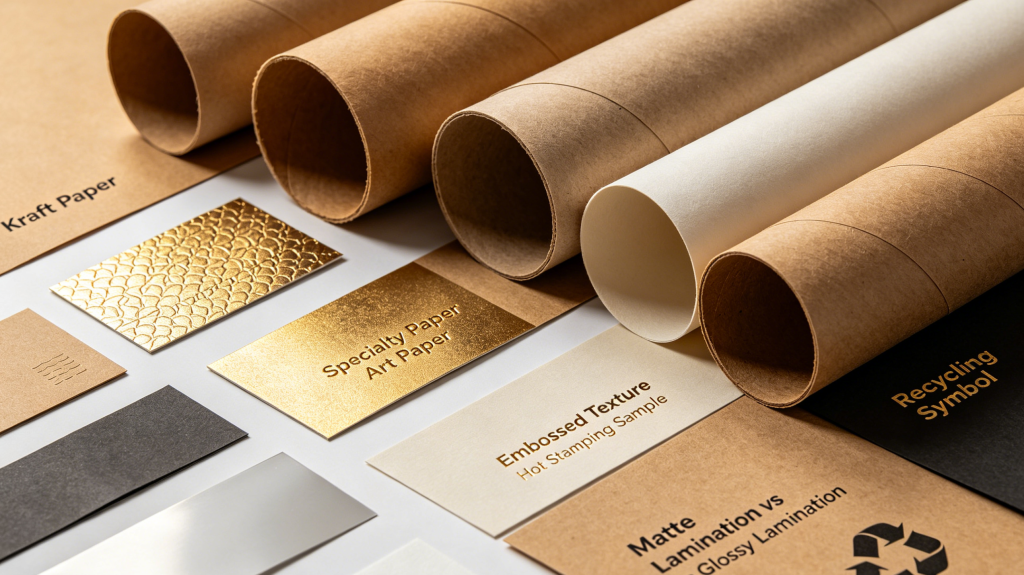
High-quality printing and finishing techniques further enhance the attractiveness of paper tube packaging. Matte lamination creates a smooth and elegant texture, while gloss finishes make colors appear brighter and more energetic. Hot foil stamping adds luxury details that reflect light and capture attention on store shelves. Embossing and debossing introduce tactile experiences that increase perceived product quality. Spot UV coating can highlight logos or specific design elements for stronger contrast. Combining multiple finishing techniques carefully helps create packaging that looks premium without appearing excessive.
Material selection also influences shelf appeal and customer perception. Thick paperboard and rigid tube structures create a sense of durability and luxury, while eco-friendly kraft paper communicates sustainability and natural branding. Consumers increasingly prefer packaging that reflects environmental responsibility, especially in industries such as cosmetics, wellness, organic foods, and lifestyle products. Recyclable materials, biodegradable coatings, and plastic-free packaging solutions can improve brand image and appeal to environmentally conscious shoppers. Sustainable paper tube packaging is not only environmentally beneficial but also commercially valuable in modern retail markets.
Structural creativity is another important factor in successful retail packaging design. Custom paper tube packaging can include telescopic lids, metal lids, rolled-edge finishes, window cut-outs, ribbon pull tabs, or unique opening mechanisms that create memorable unboxing experiences. Functional design features improve both usability and visual differentiation. Window cut-outs, for example, allow customers to partially view the product before purchasing, which can increase trust and engagement. Creative structural elements also encourage customers to share packaging on social media platforms, helping brands gain additional marketing exposure.
Retail shelf visibility should always be considered during the design process. Packaging designs that look attractive in digital mockups may not perform well in crowded store environments. Testing paper tube packaging on simulated shelves helps brands evaluate visibility, readability, and product differentiation. Designers should examine how packaging appears from different distances and viewing angles. Since retail shelves often display products side by side, packaging must maintain a strong visual identity even when partially blocked by surrounding products.
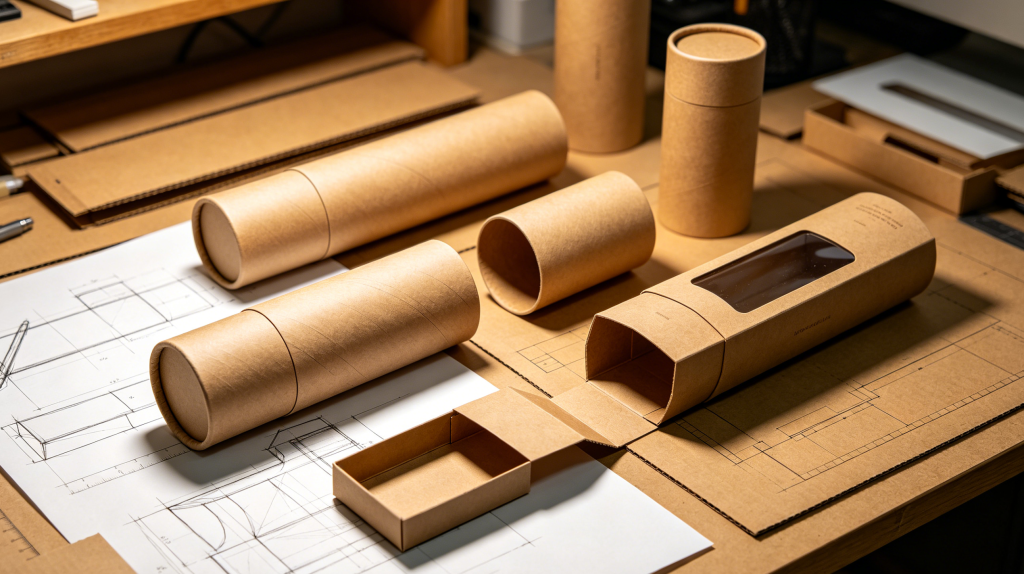
Packaging dimensions and proportions also affect shelf performance. Extremely tall or oversized paper tubes may create transportation and storage challenges, while very small tubes may lose visibility among competitors. Balanced proportions improve both aesthetics and functionality. The packaging should feel comfortable in customers’ hands while remaining efficient for retail display and shipping requirements. Smart dimension planning helps businesses reduce logistics costs without sacrificing visual impact.
Brand storytelling is another powerful tool in paper tube packaging design. Modern consumers often connect emotionally with brands that communicate authenticity, craftsmanship, or sustainability. Packaging graphics, textures, and messaging can all contribute to a stronger brand story. Minimal text combined with carefully selected visuals often creates a more premium appearance than excessive promotional content. Packaging that feels emotionally engaging encourages customers to remember the product and increases the likelihood of repeat purchases.
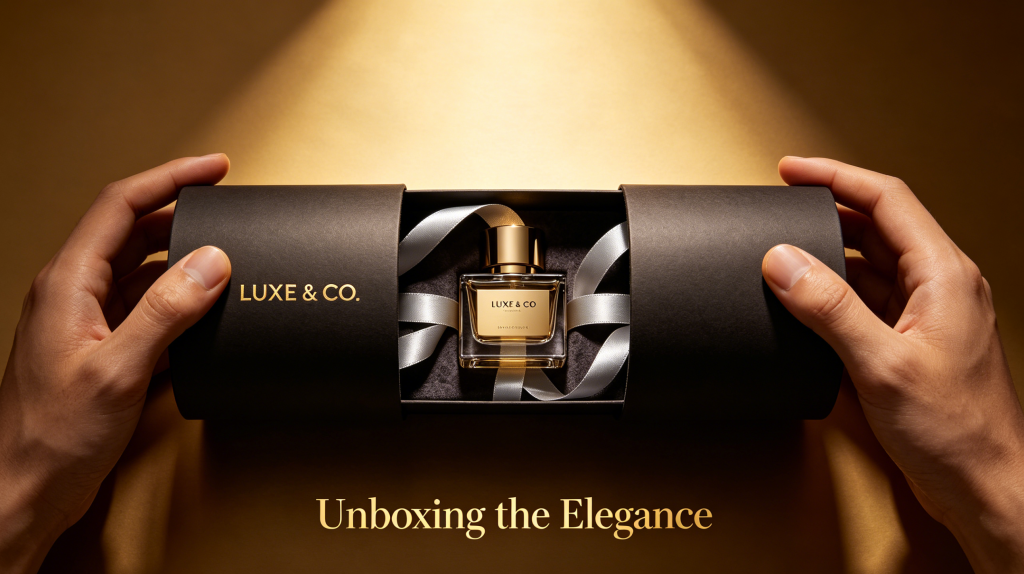
Custom inserts and interior design should not be ignored when creating paper tube packaging for retail shelves. Interior printing, protective inserts, tissue paper, or soft linings can improve the customer experience after purchase. A premium unboxing experience reinforces product value and strengthens brand loyalty. Consumers increasingly associate packaging quality with product quality, especially in luxury and gift-oriented industries.
Successful paper tube packaging design also requires balancing creativity with production practicality. Complex structures and excessive finishing effects may increase manufacturing costs and production lead times. Brands should work closely with experienced packaging manufacturers to ensure designs remain visually attractive while staying commercially realistic. Efficient packaging design reduces material waste, improves production consistency, and supports long-term scalability.
In today’s competitive retail environment, paper tube packaging has evolved into far more than a simple protective container. It is now an important branding and marketing tool that directly influences customer attention, shelf visibility, and purchasing decisions. Eye-catching paper tube packaging combines structure, color, sustainability, and functionality to create memorable retail experiences. Businesses that invest in strategic packaging design can improve brand recognition, strengthen customer engagement, and increase product competitiveness across retail markets.