

As environmental awareness continues to grow, businesses are placing greater emphasis on sustainable packaging solutions. Consumers are no longer concerned only with product quality—they also expect brands to reduce waste and choose environmentally responsible materials. This shift has led many companies to reconsider traditional plastic packaging and explore alternatives such as Paper Tube Packaging.
While plastic packaging has long been valued for its durability and moisture resistance, Paper Tube Packaging is becoming a preferred choice for brands that want to improve sustainability, strengthen their image, and deliver a premium customer experience. Understanding the differences between these two materials can help businesses select the most suitable packaging solution for their products.
Sustainability and Environmental Impact
One of the biggest advantages of Paper Tube Packaging is its environmental performance. Paper tubes are typically made from recyclable paperboard and renewable raw materials, allowing them to be recycled more easily than many plastic products. Under suitable conditions, paper materials also biodegrade much faster, helping reduce long-term environmental pollution.
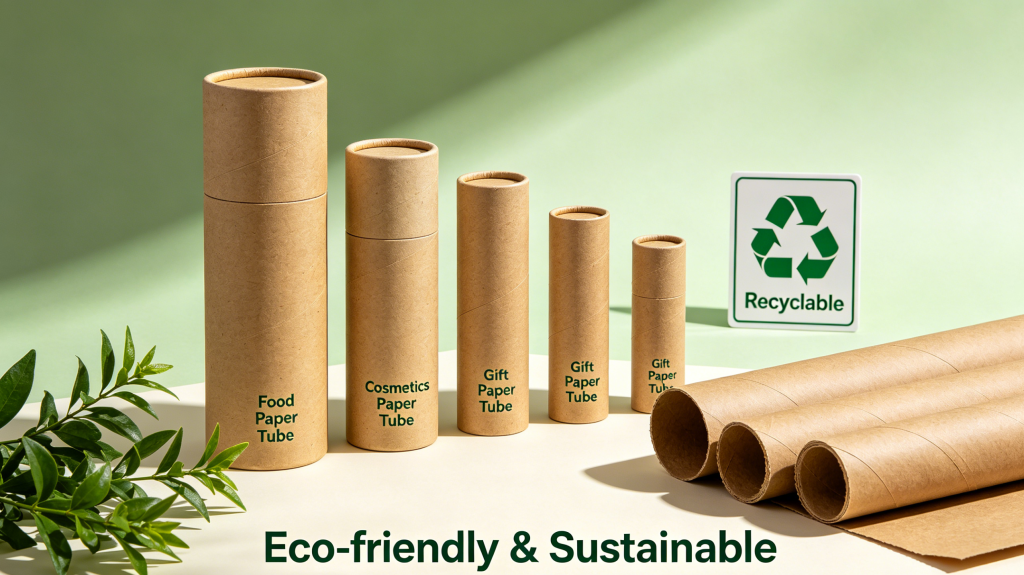
Plastic packaging, on the other hand, is generally manufactured from petroleum-based resources. Although certain plastics can be recycled, recycling rates remain relatively low in many countries, and improperly discarded plastic can remain in the environment for hundreds of years. For brands committed to reducing their carbon footprint and supporting a circular economy, Custom Paper Tube Packaging offers a more sustainable alternative.
Product Protection and Performance
Plastic packaging provides excellent resistance to moisture and chemicals, making it suitable for products that require extended shelf life or exposure to humid environments.
However, modern Custom Paper Tubes are designed with multiple layers of rigid paperboard that offer impressive strength and compression resistance. They effectively protect products such as cosmetics, candles, tea, coffee, apparel accessories, gift items, and premium food products during transportation and storage.
Additional options, including food-grade liners, moisture-resistant coatings, and custom inserts, further enhance the protective performance of Paper Tube Packaging, allowing businesses to combine sustainability with reliable product protection.
Branding and Customization
The design and quality of packaging significantly influence the way consumers perceive a product and its brand. A well-designed package not only protects the product but also communicates brand quality and values.
Compared with standard plastic containers, Paper Tube Packaging offers far greater design flexibility. Businesses can fully customize the size, structure, printing, colors, finishes, and decorative details to create packaging that reflects their unique brand identity.
Premium finishing options such as foil stamping, embossing, debossing, matte lamination, soft-touch coating, and spot UV printing give Custom Paper Tubes an elegant appearance that enhances perceived product value. Their distinctive cylindrical shape also helps products stand out on retail shelves and creates a memorable unboxing experience.
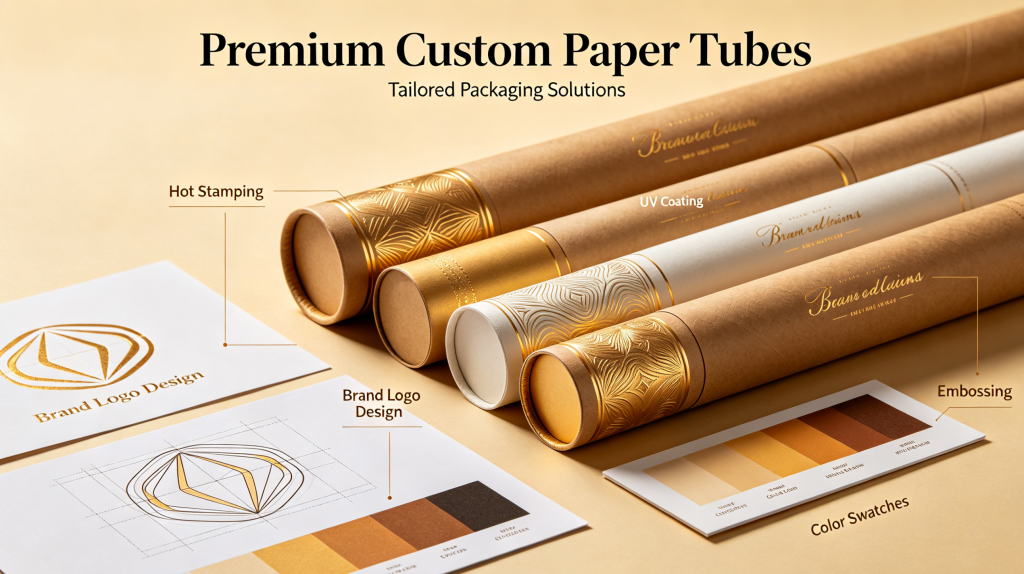
For luxury brands, sustainable packaging is becoming an important marketing advantage, and Paper Tube Packaging successfully combines visual appeal with environmental responsibility.
Cost and Long-Term Value
Plastic packaging often has a lower initial production cost, especially for high-volume manufacturing. However, businesses should consider more than just the purchase price.
Although Custom Paper Tube Packaging may require a slightly higher upfront investment, it can provide greater long-term value through stronger branding, improved customer perception, and increased product differentiation. Consumers are increasingly willing to support brands that use eco-friendly packaging, making sustainable packaging an investment rather than simply an expense.
In addition, many governments continue introducing regulations that encourage businesses to reduce plastic waste. Choosing recyclable Paper Tube Packaging today helps companies prepare for future environmental standards while demonstrating their commitment to sustainability.
Conclusion
Both paper and plastic packaging have their own advantages, and the best choice depends on the product being packaged. Plastic remains suitable for applications requiring maximum moisture resistance and long-term durability.
However, for brands seeking sustainable, premium, and highly customizable packaging, Paper Tube Packaging is the stronger long-term solution. Its renewable materials, excellent recyclability, attractive appearance, and versatile customization options make it an ideal choice for cosmetics, food, candles, gifts, apparel, and many other industries.
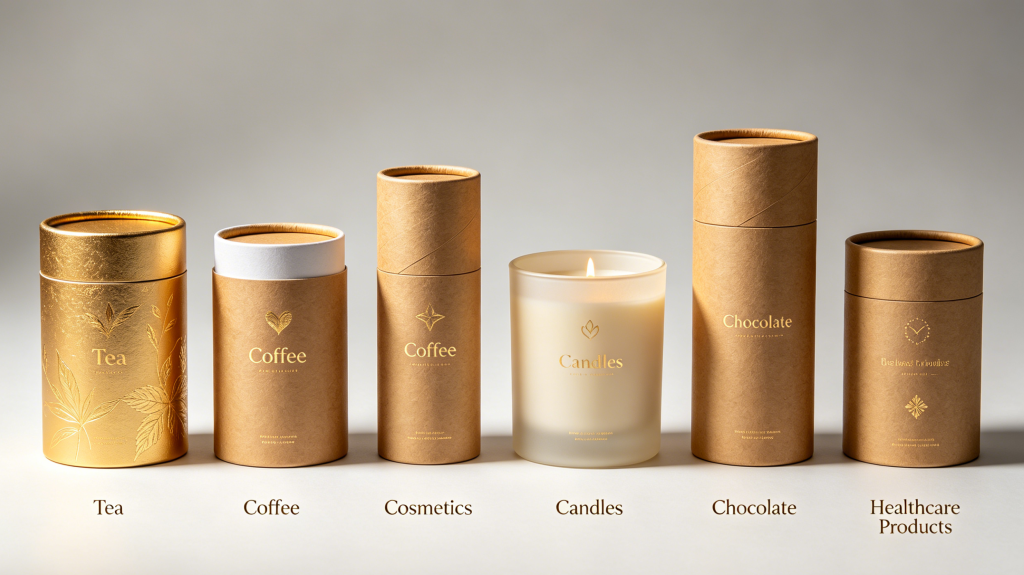
As consumer demand for environmentally responsible products continues to grow, investing in Custom Paper Tube Packaging allows businesses to reduce environmental impact while building a stronger, more recognizable brand.