

Modern businesses face increasing pressure to reduce environmental impact while maintaining product quality and brand appeal. Eco‑friendly paper tube packaging has emerged as a solution that satisfies both ecological and commercial demands. Unlike traditional plastic or mixed‑material containers, paper tubes are made from renewable resources, often fully recyclable or compostable, and can be engineered to meet a wide range of industrial needs. From shipping fragile goods to presenting luxury cosmetics, paper tube packaging delivers measurable benefits that extend far beyond its green credentials.
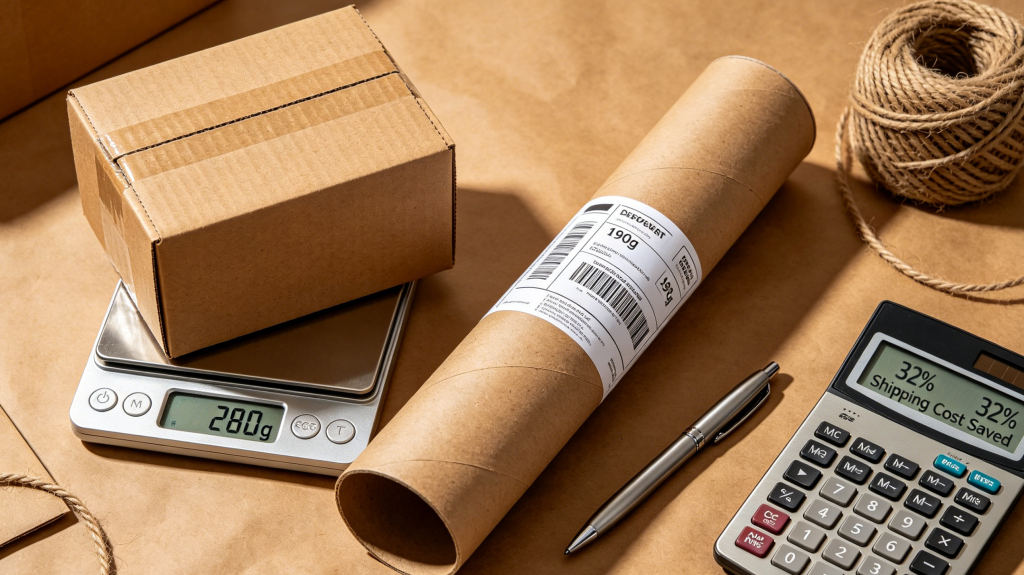
One of the most immediate advantages for businesses is cost savings in logistics and waste management. Paper tubes are lightweight yet structurally strong due to their cylindrical geometry, which distributes stress evenly along the walls. This strength allows companies to use less material overall compared to rectangular boxes of equivalent protection. Lighter shipments translate directly into lower transportation costs and reduced carbon emissions per unit. Furthermore, many jurisdictions now impose fees on plastic packaging waste or offer tax incentives for using certified compostable materials. By switching to paper tubes, businesses can avoid these extra costs while streamlining their supply chain.
Consumer preference strongly favors sustainable packaging. Multiple studies indicate that over seventy percent of customers are willing to pay a premium for products packaged in eco‑friendly materials. Paper tube packaging communicates a brand’s commitment to the environment without shouting. The natural texture, muted earth tones, and tactile warmth of paper tubes create an immediate emotional connection. When a customer receives a product in a plastic‑free, fully recyclable tube, that positive impression translates into repeat purchases and word‑of‑mouth referrals. For modern businesses competing in crowded marketplaces, this intangible brand equity can be the deciding factor between a one‑time buyer and a loyal advocate.

Another critical benefit is the versatility of customization. Paper tubes can be produced in virtually any diameter and length, with wall thickness ranging from one millimeter to five millimeters or more. End closures can be simple press‑fit paper caps, bamboo lids, cork stoppers, or even metal rims for premium applications. Printing and finishing options include offset lithography, flexography, digital printing, foil stamping, embossing, debossing, and spot UV coatings. Modern paper tube manufacturers also offer integrated tear strips, slide‑open sleeves, and window cutouts. This flexibility means that a single packaging line can serve multiple product categories – from protein powders and pet treats to scented candles and electronic components – without requiring separate packaging systems.
Paper tube packaging also excels in protecting sensitive products. The continuous, seam‑free winding of kraft paper layers creates a barrier against light, dust, and moderate moisture when combined with biodegradable wax or plant‑based liners. Unlike corrugated boxes that can crush at corners, paper tubes resist deformation under stacking loads, making them ideal for shipping powdered supplements, fragile glass vials, or rolled documents. For food and beverage applications, paper tubes with inner food‑grade liners provide an oxygen barrier that preserves freshness while remaining plastic‑free. This performance parity with conventional packaging is essential for businesses that cannot compromise on product integrity.
Regulatory compliance becomes easier with paper tube packaging. As single‑use plastic directives tighten worldwide – including the EU’s Packaging and Packaging Waste Regulation and similar laws in California, Canada, and Australia – businesses face mounting reporting obligations and potential penalties. Paper tubes made from recycled or FSC‑certified virgin fibers typically fall into the most favorable compliance categories. Many paper tube products qualify for the “plastic‑free” label, which can be displayed on e‑commerce listings and store shelves. Forward‑thinking companies are adopting paper tubes not only to meet current regulations but to future‑proof their operations against upcoming bans on hard‑to‑recycle materials.
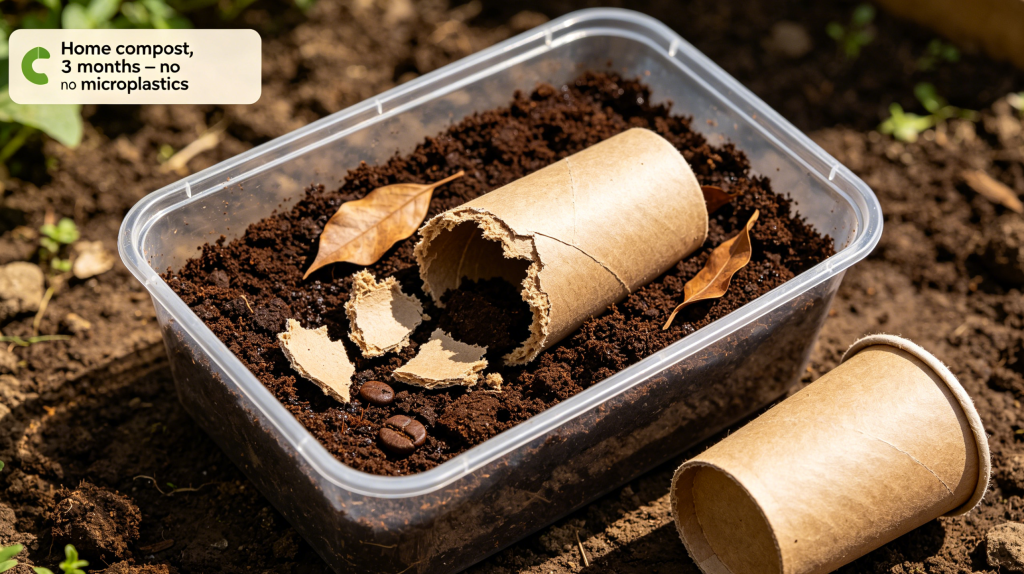
Finally, the end‑of‑life story of paper tubes gives businesses a powerful marketing narrative. Unlike complex laminates that must be landfilled or incinerated, a standard paper tube can be placed into any paper recycling bin. Compostable versions break down in home compost within three to six months, leaving no microplastics behind. This circularity allows brands to make verifiable claims backed by third‑party certifications such as BPI, TÜV Austria, or OK compost HOME. In an era where greenwashing is heavily scrutinized, paper tube packaging provides transparent, auditable environmental benefits that resonate with regulators, investors, and customers alike.
For modern businesses, the question is no longer whether eco‑friendly packaging is a nice‑to‑have, but how quickly the transition can be made. Paper tube packaging offers a rare combination of operational efficiency, cost control, consumer appeal, and genuine sustainability. Those who adopt early will gain a competitive edge; those who wait risk being left behind as the economy rapidly moves toward circular, low‑carbon solutions.