

In the competitive world of custom packaging, visual appeal and tactile experience play a crucial role in shaping consumer perception. Paper tube packaging has become increasingly popular across industries such as cosmetics, food, and luxury goods due to its eco-friendly nature and premium appearance. To further enhance its value, finishing techniques like embossing, debossing, and foil stamping are widely used to elevate both design and branding. These techniques not only improve aesthetics but also create a memorable unboxing experience that strengthens brand identity.
Embossing is a finishing process that raises specific areas of a design above the surface of the paper. This technique adds a three-dimensional texture that can be both seen and felt, making logos, patterns, or typography stand out. On paper tube packaging, embossing is particularly effective for highlighting brand elements without relying on excessive color or printing. It works well with minimalist designs, allowing subtle yet sophisticated branding that communicates quality and refinement. The raised effect catches light differently, adding depth and visual interest to otherwise simple surfaces.
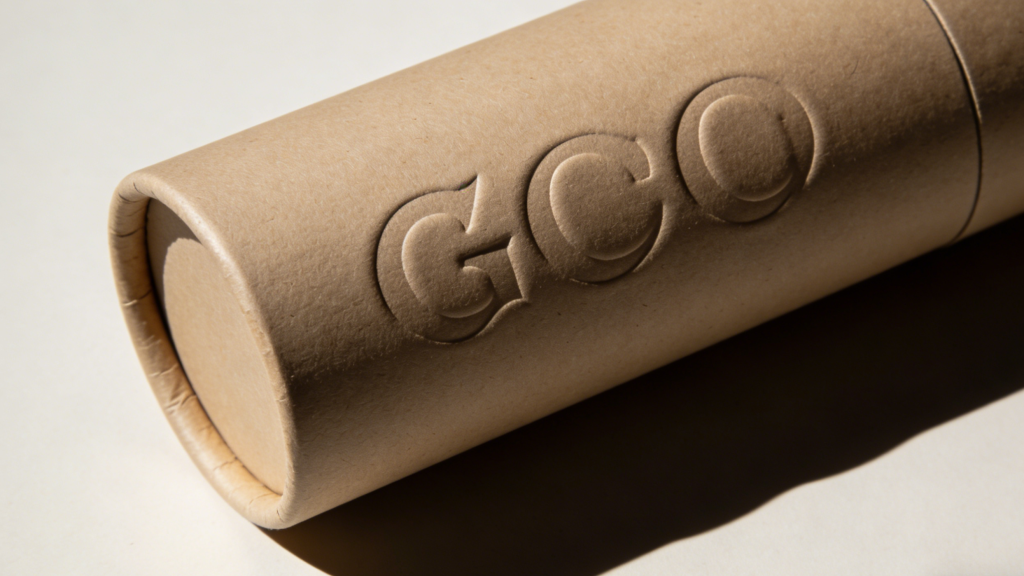
Debossing, on the other hand, creates an opposite effect by pressing the design into the surface rather than raising it. This recessed impression provides a more understated and elegant look, often associated with luxury branding. Debossing is commonly used for logos or fine details where a clean and refined appearance is desired. On paper tubes, this technique can be combined with soft-touch coatings or matte finishes to enhance the tactile experience. The subtle indentation invites users to interact with the packaging, reinforcing a sense of craftsmanship and attention to detail.
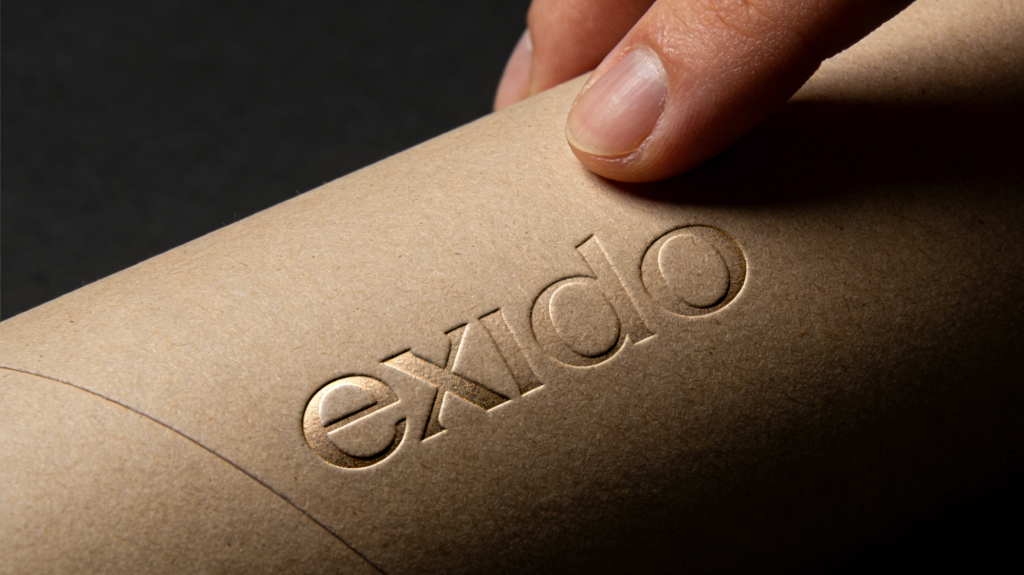
Foil stamping introduces a metallic or pigmented foil onto the surface of the packaging using heat and pressure. This technique is widely recognized for its ability to create a striking visual impact. Gold, silver, rose gold, and holographic foils are commonly used to convey luxury and exclusivity. On paper tube packaging, foil stamping is often applied to logos, brand names, or decorative elements to create contrast against matte or textured backgrounds. The reflective quality of foil captures attention immediately, making products stand out on retail shelves or in online presentations.
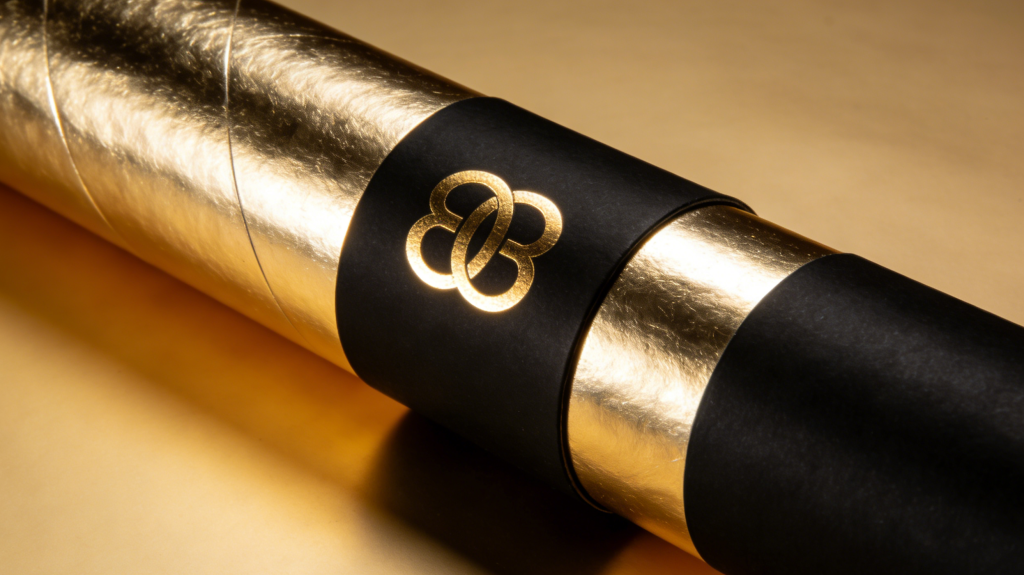
Combining these three techniques can significantly enhance the overall design of custom packaging. For example, embossing can be paired with foil stamping to create a raised metallic logo that feels both premium and eye-catching. Similarly, debossing combined with subtle foil accents can achieve a sophisticated and modern look. The key is to maintain balance and avoid over-decoration, ensuring that each element serves a purpose within the overall design concept. Thoughtful integration of these techniques results in packaging that is visually appealing while maintaining brand consistency.
Material selection also plays an important role in achieving the best results. High-quality paper with sufficient thickness and strength is essential for successful embossing and debossing, as it must withstand pressure without tearing or deforming. For foil stamping, the surface texture and coating of the paper influence how well the foil adheres and how sharp the final design appears. Kraft paper, coated paper, and specialty textured papers each offer different effects, allowing brands to tailor their packaging to specific aesthetic goals.
In addition to aesthetics, these finishing techniques contribute to brand storytelling. Packaging is often the first physical interaction a customer has with a product, and the use of embossing, debossing, and foil stamping can communicate values such as luxury, sustainability, innovation, or craftsmanship. For eco-conscious brands, combining these techniques with recyclable materials creates a balance between premium design and environmental responsibility. This approach aligns with modern consumer expectations and enhances brand credibility.
From a practical perspective, these techniques can also influence cost and production timelines. Embossing and debossing require custom molds, while foil stamping involves additional materials and processing steps. Therefore, careful planning during the design phase is essential to ensure cost efficiency without compromising quality. Working with experienced manufacturers helps optimize these processes and achieve consistent results across production batches.
In conclusion, embossing, debossing, and foil stamping are powerful tools in custom packaging design, especially for paper tube packaging. They transform simple packaging into a premium brand experience by adding texture, depth, and visual impact. When applied thoughtfully and combined with the right materials and design strategy, these techniques can significantly enhance product presentation, strengthen brand identity, and create a lasting impression in the minds of consumers.