

Cosmetic packaging has evolved from simple protection into a strategic branding tool that communicates quality, sustainability, and visual identity. Among the many packaging formats available today, paper tube packaging has gained significant attention in the beauty industry due to its eco-friendly structure, premium appearance, and versatile customization possibilities. For cosmetic brands seeking distinctive presentation and responsible material choices, paper tube packaging offers an effective balance between aesthetics, performance, and environmental appeal.
Paper tubes provide structural strength while maintaining a lightweight form, making them ideal for delicate cosmetic products such as serums, lip balms, essential oils, facial creams, and solid perfumes. Their cylindrical shape naturally stands out on retail shelves, creating visual differentiation from traditional square or rectangular cartons. This unique silhouette not only attracts attention but also enhances perceived product value, as unconventional packaging is often associated with innovation and luxury. When combined with carefully selected surface finishes and printing techniques, paper tubes can deliver a refined tactile experience that reinforces brand quality.
Material selection plays a crucial role in cosmetic paper tube design. High-density paperboard cores ensure durability and protect products from external pressure during transport and storage. Outer wrapping papers can vary from smooth coated stocks to textured specialty papers, allowing brands to align packaging appearance with product positioning. Minimalist skincare lines often choose soft matte papers in neutral tones to convey purity and simplicity, while vibrant makeup brands may opt for glossy finishes and bold color printing to express creativity and energy. Choosing the right paper combination ensures that packaging communicates the intended brand message before the product is even opened.
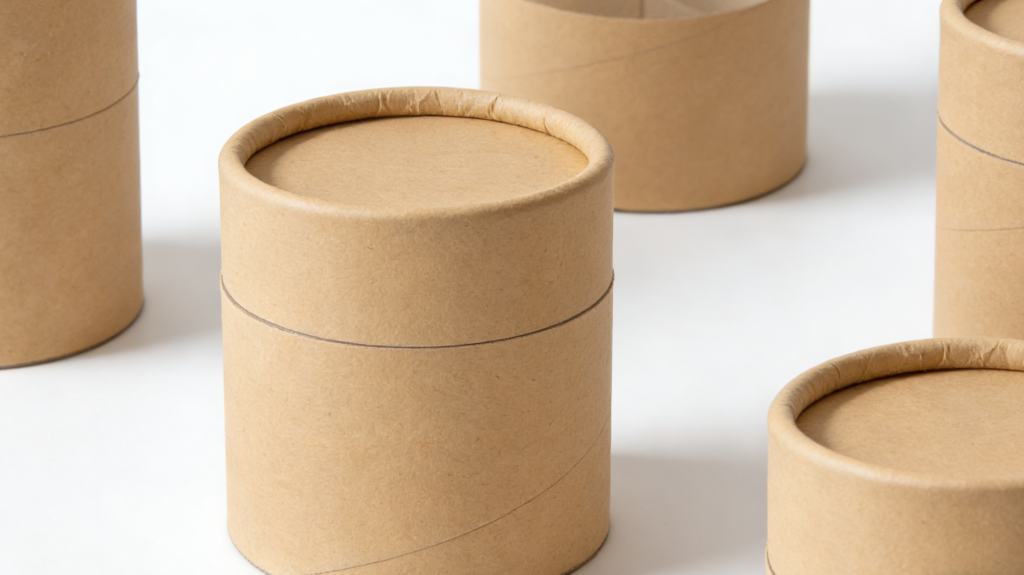
Printing and decorative techniques significantly influence the visual impact of paper tube packaging. Foil stamping is frequently used for logos and brand names because metallic highlights create a premium impression and catch light instantly. Embossing or debossing adds dimension and encourages customers to interact physically with the package, strengthening sensory engagement. Spot UV coatings can emphasize selected design elements, creating contrast between matte and glossy areas. These finishing methods transform simple paper tubes into sophisticated cosmetic packaging that feels luxurious without relying on plastic or excessive materials.
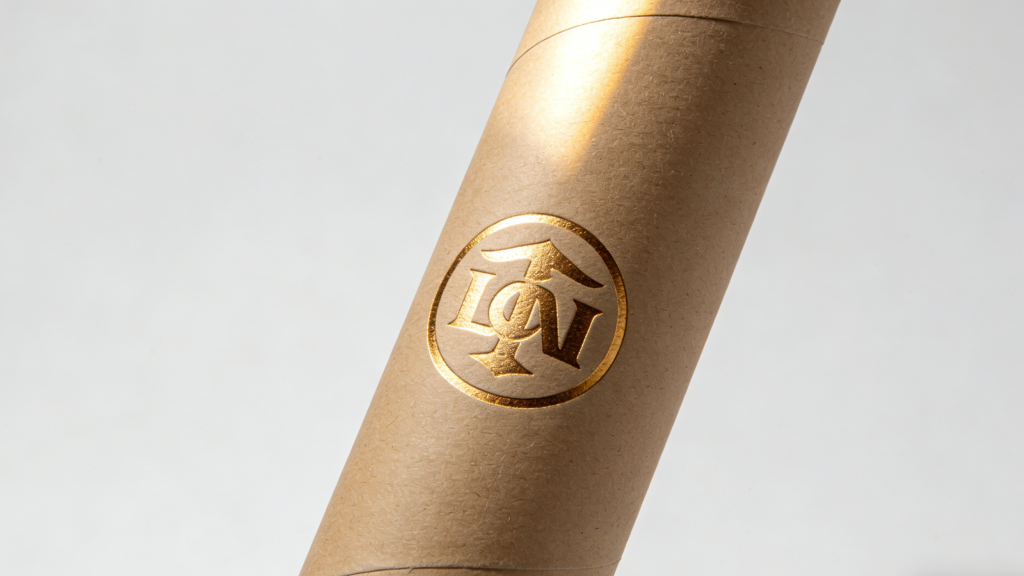
Functional design is equally important when developing cosmetic paper tube packaging. Closure styles must match product type and usage habits. Slip lids offer elegance and easy access for products such as creams or candles, while twist-up bases are ideal for solid cosmetics like deodorant sticks or balms. Secure inner linings or inserts can be added to stabilize fragile containers such as glass bottles. Proper internal structure prevents movement during shipping and protects product integrity. Thoughtful engineering ensures that packaging is not only attractive but also reliable in daily use.
Sustainability considerations strongly influence packaging decisions in the cosmetics industry. Consumers increasingly prefer brands that demonstrate environmental responsibility, and paper tubes support this expectation by using recyclable and biodegradable materials. Compared with plastic containers, paper-based packaging reduces environmental impact while still providing adequate protection. Many brands also choose soy-based inks, water-based coatings, and FSC-certified paper to further enhance sustainability credentials. These decisions help businesses communicate authenticity and environmental awareness, which are powerful factors in customer purchasing behavior.
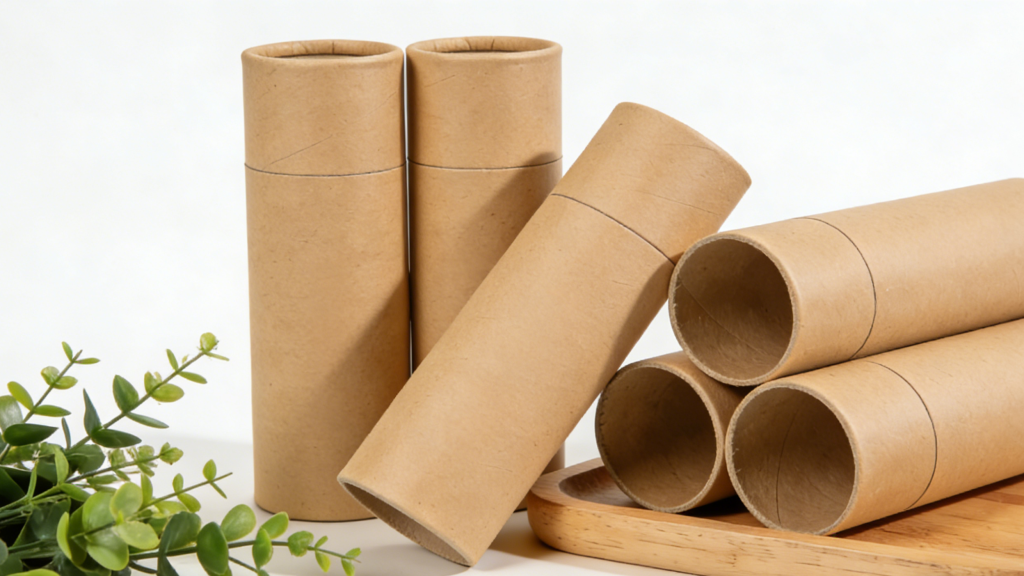
Brand consistency across product lines can be effectively achieved through standardized tube dimensions combined with varied graphic designs. Maintaining the same structure while changing colors or artwork allows a product collection to appear cohesive yet visually distinct. This approach simplifies production and inventory management while strengthening shelf recognition. Customers can easily identify related products within the same brand family, encouraging cross-purchases and reinforcing brand loyalty.
Texture is another design element that influences customer perception. Soft-touch coatings create a velvety feel that signals luxury, while natural kraft paper surfaces communicate organic authenticity. Even subtle tactile differences can shape emotional reactions to packaging. Because cosmetic purchases often involve sensory expectations, tactile finishes become an important extension of product experience. When packaging feels premium, customers subconsciously associate that sensation with the product inside.
Practical considerations such as size optimization and labeling clarity should never be overlooked. Paper tube dimensions must correspond precisely to product volume to avoid wasted space and unnecessary material usage. Clear labeling ensures compliance with cosmetic regulations and helps consumers quickly understand product benefits, ingredients, and instructions. Legible typography, balanced layout, and appropriate contrast all contribute to effective communication. Well-designed packaging combines visual appeal with functional clarity, ensuring that aesthetics never compromise usability.
Paper tube packaging continues to gain popularity because it aligns modern sustainability values with high-end visual presentation. Its adaptability allows designers to experiment with shapes, finishes, and structural details while maintaining eco-friendly standards. For cosmetic brands seeking packaging that communicates innovation, responsibility, and elegance, paper tubes provide a compelling solution that enhances both product protection and brand storytelling. When design strategy, material choice, and finishing techniques are thoughtfully integrated, paper tube packaging becomes more than a container; it becomes an extension of the brand identity itself.