

Paper tube packaging is widely used across industries such as cosmetics, food, personal care, wellness, and premium gifting. While paper tubes may appear similar at first glance, structural differences play a crucial role in performance, durability, user experience, and brand perception. Among the most common structural options, rolled-edge paper tubes and straight-edge paper tubes stand out as two fundamentally different designs. Understanding the differences between these two structures helps brands select packaging that aligns with both functional requirements and visual identity.
Straight-edge paper tubes are defined by clean, flat-cut openings at both the top and bottom of the tube. This structure emphasizes simplicity, precision, and efficiency. Straight-edge tubes are typically manufactured using tightly wound paperboard that is cut evenly after forming, resulting in sharp and uniform edges. This design offers a modern, minimal appearance and is well-suited for products that prioritize cost control and streamlined production. Straight-edge paper tubes are commonly used for dry foods, supplements, powders, and lightweight cosmetic items where frequent opening and closing are not required.
From a manufacturing perspective, straight-edge paper tubes are easier to produce and allow for faster turnaround times. Their simple structure supports high-volume production with consistent quality. In terms of customization, straight-edge tubes offer flexibility in printing, paper texture, and surface finishes such as matte lamination, gloss coating, or soft-touch film. However, the exposed flat edges may be more susceptible to wear over time, especially in applications where the tube is opened repeatedly.
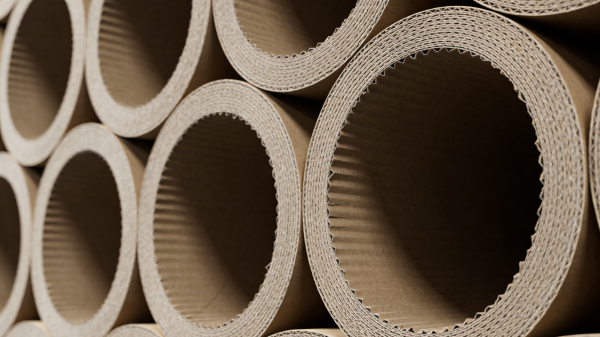
Rolled-edge paper tubes, by contrast, feature edges that are curled inward or outward during production. This rolling process reinforces the rim of the tube and creates a smooth, rounded opening. The rolled edge structure significantly improves durability and enhances the tactile experience. When handled, rolled-edge tubes feel thicker, sturdier, and more refined, making them a preferred choice for premium packaging applications. This structure is frequently used for luxury cosmetics, candles, high-end food products, and gift packaging, where perceived quality directly impacts consumer trust and purchasing decisions.
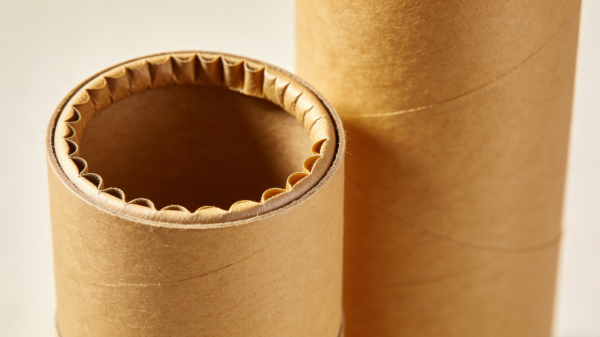
The rolled edge design also improves safety and comfort, as there are no sharp paperboard edges exposed. This is especially important for products designed for repeated use or frequent consumer interaction. Additionally, rolled edges help prevent delamination and deformation over time, extending the lifespan of the packaging. Although rolled-edge paper tubes involve more complex manufacturing steps and slightly higher costs, the structural and aesthetic benefits often justify the investment for brands positioned in the mid-to-high-end market.
Another key difference between rolled-edge and straight-edge paper tubes lies in their compatibility with closures and accessories. Rolled-edge tubes typically pair well with friction-fit lids, metal caps, or telescopic covers, offering smoother opening and closing performance. Straight-edge tubes, while compatible with similar closures, may require tighter tolerances to achieve the same level of user experience. For brands focused on unboxing experience and tactile quality, rolled-edge tubes provide a noticeable advantage.
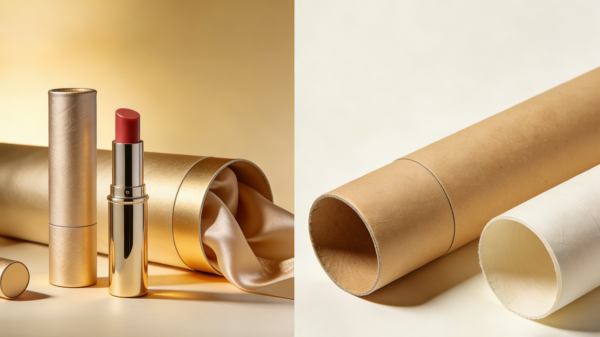
In terms of branding, both structures support high-quality printing and decorative finishes. However, rolled-edge paper tubes tend to enhance the visual depth and craftsmanship of premium printing techniques, such as foil stamping, embossing, and textured paper wraps. Straight-edge tubes, on the other hand, complement clean graphic designs and minimalist branding strategies.
Ultimately, the choice between rolled-edge and straight-edge paper tubes depends on product positioning, budget, usage frequency, and brand image. Straight-edge paper tubes offer efficiency, simplicity, and cost-effectiveness, making them ideal for practical applications. Rolled-edge paper tubes deliver enhanced durability, comfort, and premium appeal, making them suitable for products that require elevated presentation and long-term performance. By understanding these structural differences, brands can make informed packaging decisions that balance functionality, aesthetics, and market expectations.