

In the world of modern packaging, paper tubes have become an increasingly popular choice for brands seeking a balance between sustainability, durability, and visual appeal. Among the various options available, white paper tubes and kraft paper tubes stand out as two of the most widely used solutions. Each offers unique advantages, and selecting the right one depends on brand positioning, product type, and marketing goals. Understanding the differences between these two types of custom packaging can help businesses make informed decisions that enhance both functionality and brand identity.
White paper tubes are often associated with a clean, premium, and contemporary look. Their smooth, bright surface provides an excellent base for high-quality printing, allowing brands to achieve vibrant colors, intricate patterns, and precise logo reproduction. This makes them particularly suitable for industries such as cosmetics, skincare, candles, and luxury gifts, where visual presentation plays a crucial role in consumer perception. The refined appearance of white paper tubes helps convey a sense of sophistication and professionalism, making them ideal for brands that want to emphasize elegance and modernity.
In contrast, kraft paper tubes are recognized for their natural, rustic, and eco-friendly aesthetic style. Made from unbleached paper, they retain the original brown color and texture of the pulp, which communicates authenticity and sustainability. Kraft paper tubes are widely used by brands that prioritize environmental responsibility and wish to showcase a more organic image. Industries such as organic food, handmade products, eco-conscious cosmetics, and sustainable lifestyle goods often favor kraft packaging because it aligns with their brand values and resonates with environmentally aware consumers.
From a material perspective, both white and kraft paper tubes offer strong structural integrity. They are constructed using multiple layers of paperboard wound together, resulting in a rigid and protective cylindrical shape. However, kraft paper typically has a slightly higher resistance to wear and tear due to its natural fiber composition, making it a practical choice for products that require extra durability during shipping and handling. White paper tubes, while equally sturdy, may require additional coatings or laminations to maintain their pristine appearance over time, especially in environments where they are exposed to moisture or friction.
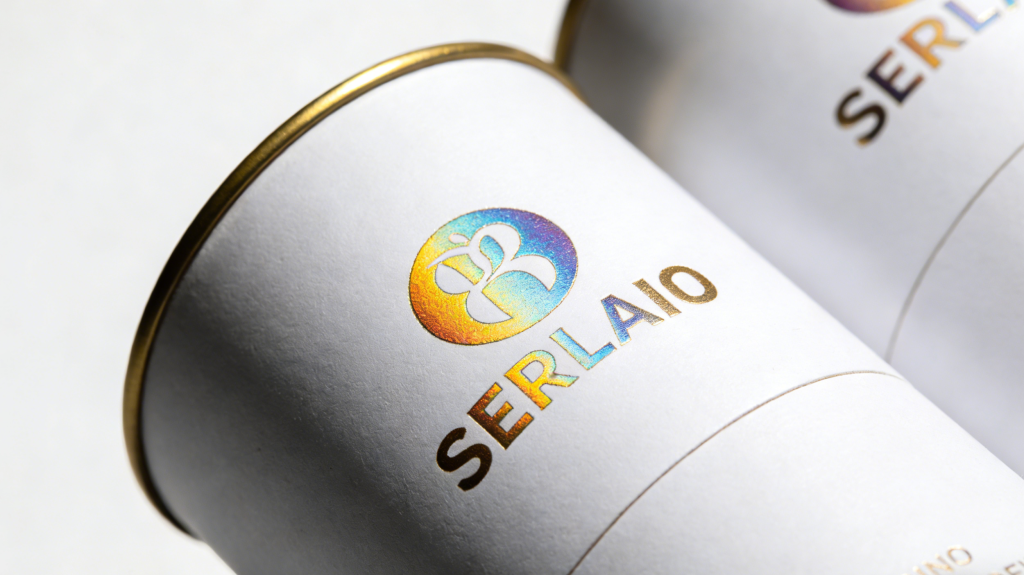
Printing and customization capabilities also differ significantly between the two options. White paper tubes provide a blank canvas that supports advanced printing techniques such as offset printing, UV coating, embossing, and foil stamping. This allows brands to create visually striking packaging that captures attention on retail shelves or in e-commerce unboxing experiences. On the other hand, kraft paper tubes offer a more limited but distinctive printing style. Designs on kraft surfaces often rely on minimalistic graphics, darker ink tones, or simple branding elements to complement the natural background. This limitation, however, can become a strength for brands aiming for a clean and understated design approach.
Cost considerations can also influence the choice between white and kraft paper tubes. Kraft paper tubes are generally more cost-effective due to the reduced processing required for unbleached materials. This makes them an attractive option for startups or businesses looking to maintain sustainable packaging without significantly increasing expenses. White paper tubes, with their additional bleaching and finishing processes, may come at a higher cost but provide greater flexibility in achieving premium branding effects.

Another important factor is consumer perception. Packaging plays a critical role in shaping how customers perceive a product before they even use it. White paper tubes often create an impression of luxury, precision, and innovation, while kraft paper tubes evoke feelings of authenticity, environmental consciousness, and simplicity. Choosing between the two involves aligning packaging design with the emotional message a brand ցանկանում convey to its target audience.
Sustainability is a shared advantage of both options, as paper tubes are typically recyclable and biodegradable. However, kraft paper tubes are often perceived as more environmentally friendly because they undergo fewer chemical treatments. For brands that emphasize sustainability as a core value, Kraft packaging can serve as a powerful visual statement. Meanwhile, white paper tubes can also meet eco-friendly standards when produced with certified materials and environmentally responsible processes.
In conclusion, the decision between white paper tubes and kraft paper tubes depends on a brand’s identity, target market, and product requirements. White paper tubes are ideal for brands seeking a polished and high-end appearance with maximum design flexibility, while kraft paper tubes are better suited for those aiming to highlight natural aesthetics and sustainability. By carefully evaluating these factors, businesses can select custom packaging that not only protects their products but also strengthens their brand story and market positioning.