

In today’s packaging landscape, safety and sustainability are becoming equally critical factors for brands across various industries. Child-resistant paper tube packaging has emerged as a practical solution that not only enhances product protection but also aligns with environmentally conscious values. This type of packaging is specifically engineered to prevent children from easily accessing potentially harmful contents, while still remaining convenient for adult use. As regulations around child safety become stricter in sectors such as pharmaceuticals, cannabis, and nutraceuticals, the demand for innovative and compliant packaging formats continues to grow.
Child-resistant paper tube packaging is widely used in industries where product safety is a top priority. In the cannabis market, for example, regulations in many regions require packaging that meets strict child-resistance standards. Paper tube packaging offers a compliant alternative to plastic containers while providing a premium and eco-friendly appearance. Similarly, pharmaceutical companies are increasingly adopting paper tubes for products such as tablets, capsules, and powdered supplements. The rigid structure of the tube, combined with specially designed locking mechanisms, ensures that children cannot easily open the package. At the same time, the packaging remains user-friendly for adults, including seniors with limited hand strength.
Another key application lies in the nutraceutical and health supplement industry. Brands in this sector often seek packaging that reflects both safety and sustainability. Paper tubes made from recyclable materials help communicate a responsible brand image while meeting functional requirements. Additionally, child-resistant designs can be applied to products such as vitamins, herbal supplements, and functional powders, offering peace of mind to consumers with children.
From a design perspective, child-resistant paper tube packaging offers a wide range of structural and visual customization options. One of the most common mechanisms is the push-and-turn system, which requires coordinated movement to open the tube. Another popular option is the squeeze-and-lift design, where specific pressure points must be pressed simultaneously to release the lid. These mechanisms are carefully engineered to meet regulatory standards while maintaining ease of use for adults. The internal structure of the tube can also be customized with inserts or compartments to securely hold the product in place and prevent movement during transportation.

Material selection plays a crucial role in the performance of child-resistant paper tubes. High-quality paperboard combined with reinforced inner layers ensures durability and strength. In many cases, manufacturers use food-grade or pharmaceutical-grade materials to meet safety requirements. The outer layer can be wrapped with various types of specialty paper, including kraft paper for a natural look or coated paper for a more refined and premium finish. These material choices not only enhance the visual appeal but also contribute to the overall user experience.

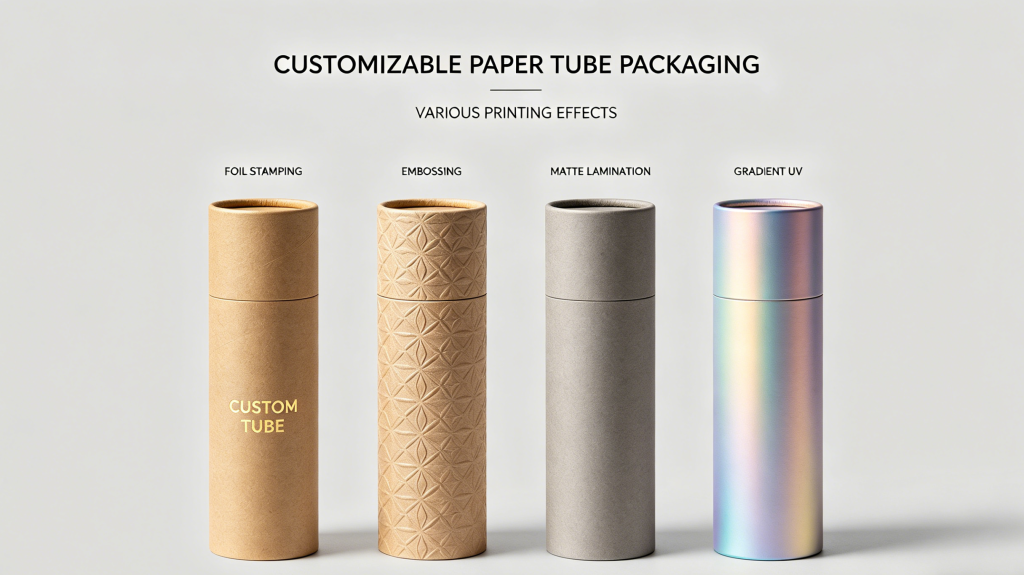
Printing and finishing techniques further expand the design possibilities. Brands can incorporate advanced printing methods such as offset printing or digital printing to achieve vibrant colors and precise graphics. Finishing options like matte lamination, glossy coating, embossing, debossing, and foil stamping allow for a distinctive and high-end appearance. These elements are particularly important in competitive retail environments, where packaging serves as a key factor in attracting consumer attention and conveying brand identity.
Sustainability is another major advantage of child-resistant paper tube packaging. Compared to traditional plastic containers, paper tubes are typically made from renewable resources and can be recycled more easily. Many manufacturers are also adopting eco-friendly inks and adhesives to reduce environmental impact. This aligns with the growing consumer preference for sustainable packaging solutions and helps brands strengthen their environmental credentials.
In conclusion, child-resistant paper tube packaging represents a versatile and forward-thinking solution that addresses both safety and sustainability concerns. Its wide range of applications across industries such as pharmaceuticals and nutraceuticals highlights its adaptability and effectiveness. With various design options, material choices, and finishing techniques available, brands can create packaging that not only meets regulatory requirements but also enhances product presentation and consumer trust. As the demand for safe and eco-friendly packaging continues to rise, child-resistant paper tubes are poised to play an increasingly important role in the future of packaging design.