

Food-grade paper tube packaging has become an increasingly popular choice for brands in the food and beverage industry due to its sustainability, versatility, and strong protective performance. As consumers become more conscious of food safety and environmental impact, packaging solutions must meet strict regulatory requirements while also delivering an appealing visual experience. Paper tube packaging, when designed and manufactured according to food-grade standards, offers a reliable and innovative solution for a wide range of products, including snacks, tea, coffee, confectionery, and nutritional supplements.
One of the most critical aspects of food-grade paper tube packaging is compliance with safety standards. Materials used in direct or indirect contact with food must meet regulations, such as FDA standards in the United States and EU food-contact regulations in Europe. These standards ensure that packaging does not release harmful substances into food products. Food-grade paper tubes are typically made from virgin-fiber paper or certified food-safe recycled materials, combined with water-based inks and adhesives free of toxic chemicals. Barrier layers, such as aluminum foil or food-safe inner linings, are often incorporated to prevent moisture, oxygen, and light from affecting the product’s quality.
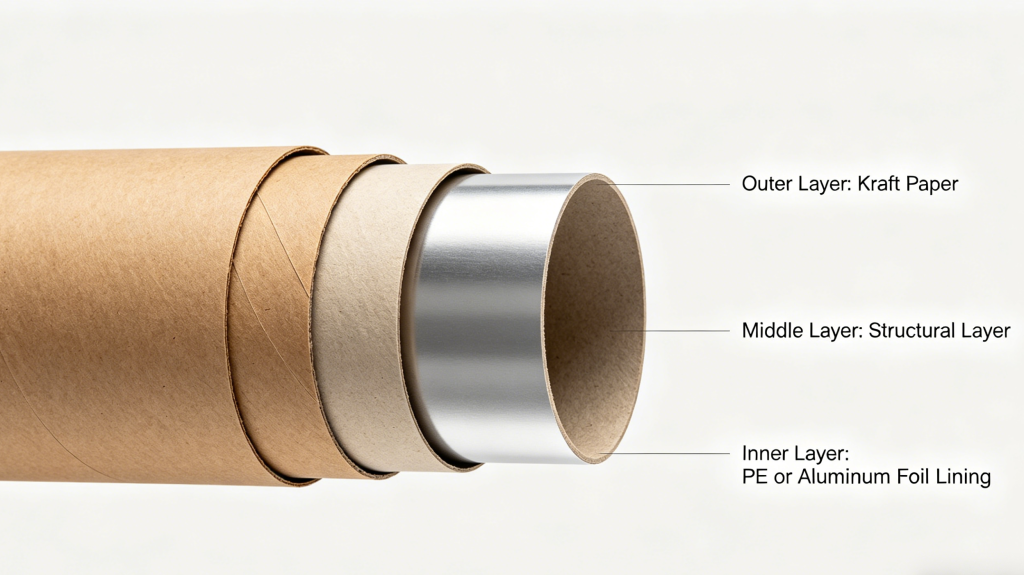
Material selection plays a crucial role in maintaining both safety and functionality. Kraft paper is commonly used for its strength, durability, and natural appearance, making it ideal for organic or eco-friendly brands. White paperboard offers a cleaner and more premium look, often used for high-end food packaging. The inner lining is particularly important, as it directly impacts food preservation. Options such as PE coating, PLA biodegradable lining, or aluminum foil lamination provide different levels of protection depending on the product’s sensitivity. These materials help extend shelf life while maintaining the flavor, aroma, and freshness of the contents.
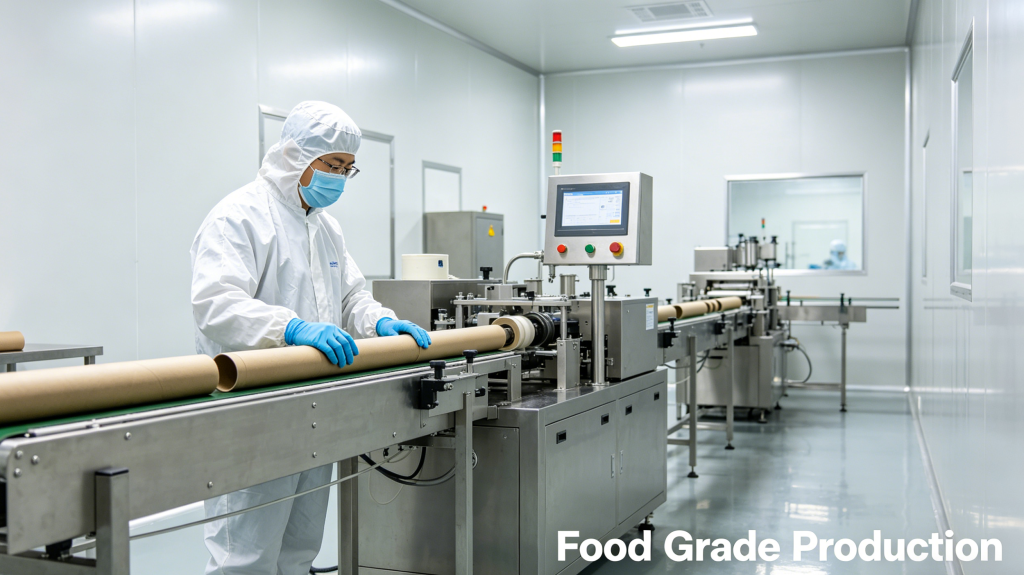
In addition to material safety, the manufacturing process must adhere to strict hygiene standards. Production environments for food-grade paper tube packaging are typically controlled to minimize contamination risks. Cleanroom conditions, quality inspections, and traceability systems ensure that every batch of packaging meets required safety criteria. Proper sealing techniques, including rolled edges, metal lids, or paper caps, further enhance the protective performance of the packaging and prevent external contaminants from entering.
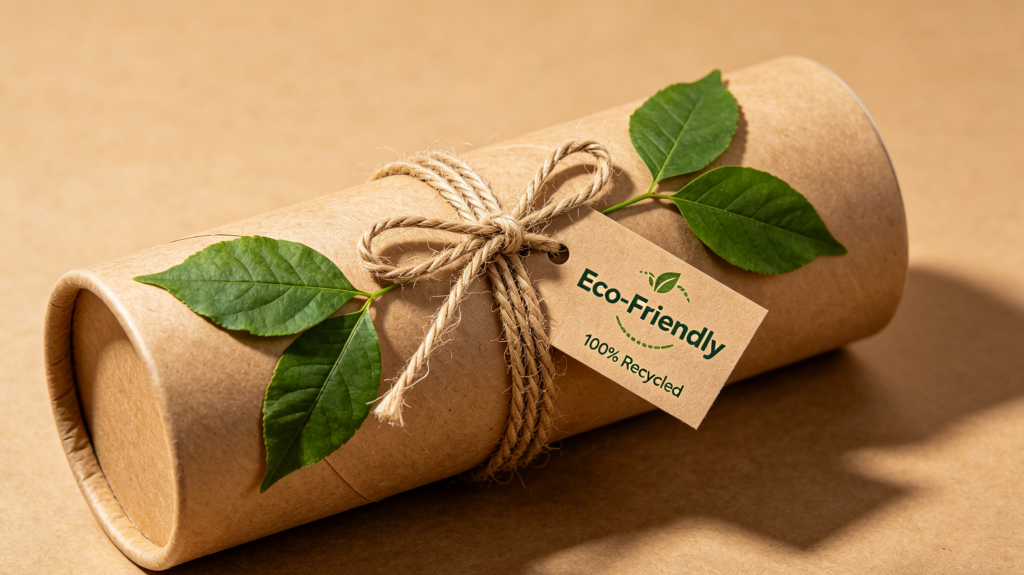
Sustainability is another important factor driving the adoption of paper tube packaging in the food industry. Many brands are shifting away from plastic packaging in favor of renewable and biodegradable alternatives. Paper tubes made from FSC-certified materials and combined with eco-friendly coatings offer a balance between environmental responsibility and product protection. This not only helps brands meet regulatory requirements but also appeals to environmentally conscious consumers.
Design flexibility is also a major advantage of food-grade paper tube packaging. Custom printing, embossing, foil stamping, and matte or glossy finishes allow brands to create distinctive packaging that stands out on retail shelves. Despite its premium appearance, paper tube packaging can be engineered to remain lightweight and efficient for transportation and storage, reducing overall logistics costs.
Another key consideration is the compatibility of packaging with different types of food products. Dry foods such as tea, coffee, and powdered supplements benefit from moisture-resistant linings, while snacks and confectionery may require grease-resistant barriers. Understanding the specific requirements of each product ensures that the packaging delivers optimal performance in terms of safety and preservation.
As global regulations continue to evolve, staying compliant with food safety standards is essential for any brand entering international markets. Paper tube packaging manufacturers must stay updated on regulatory changes and provide documentation such as material safety data sheets and compliance certificates. This level of transparency builds trust with clients and ensures smooth market entry for packaged products.
In conclusion, food-grade paper tube packaging offers a comprehensive solution that combines safety, sustainability, and branding potential. By carefully selecting materials, adhering to strict safety standards, and optimizing design and functionality, it is possible to create packaging that not only protects food products but also enhances their market appeal. As demand for eco-friendly and safe packaging continues to grow, paper tube packaging is well-positioned to become a leading choice in the food packaging industry.